history, History, Uncategorized, Women and History

The Inspiring Life of Nellie Bly: Pioneering Female Journalist

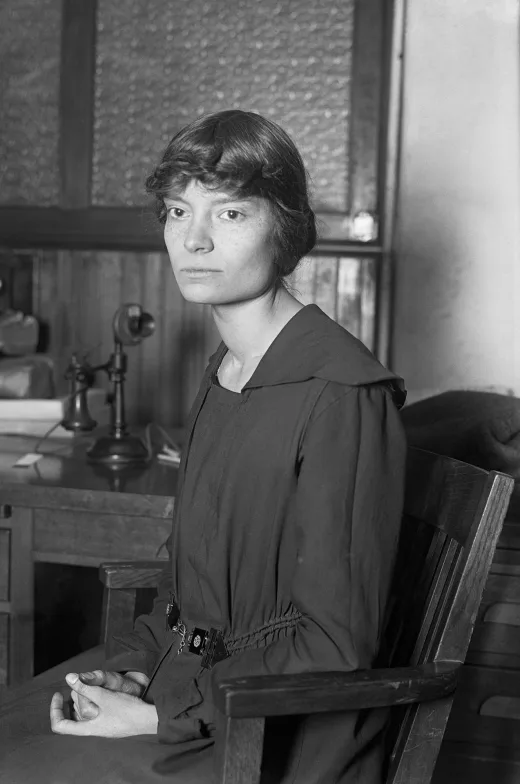
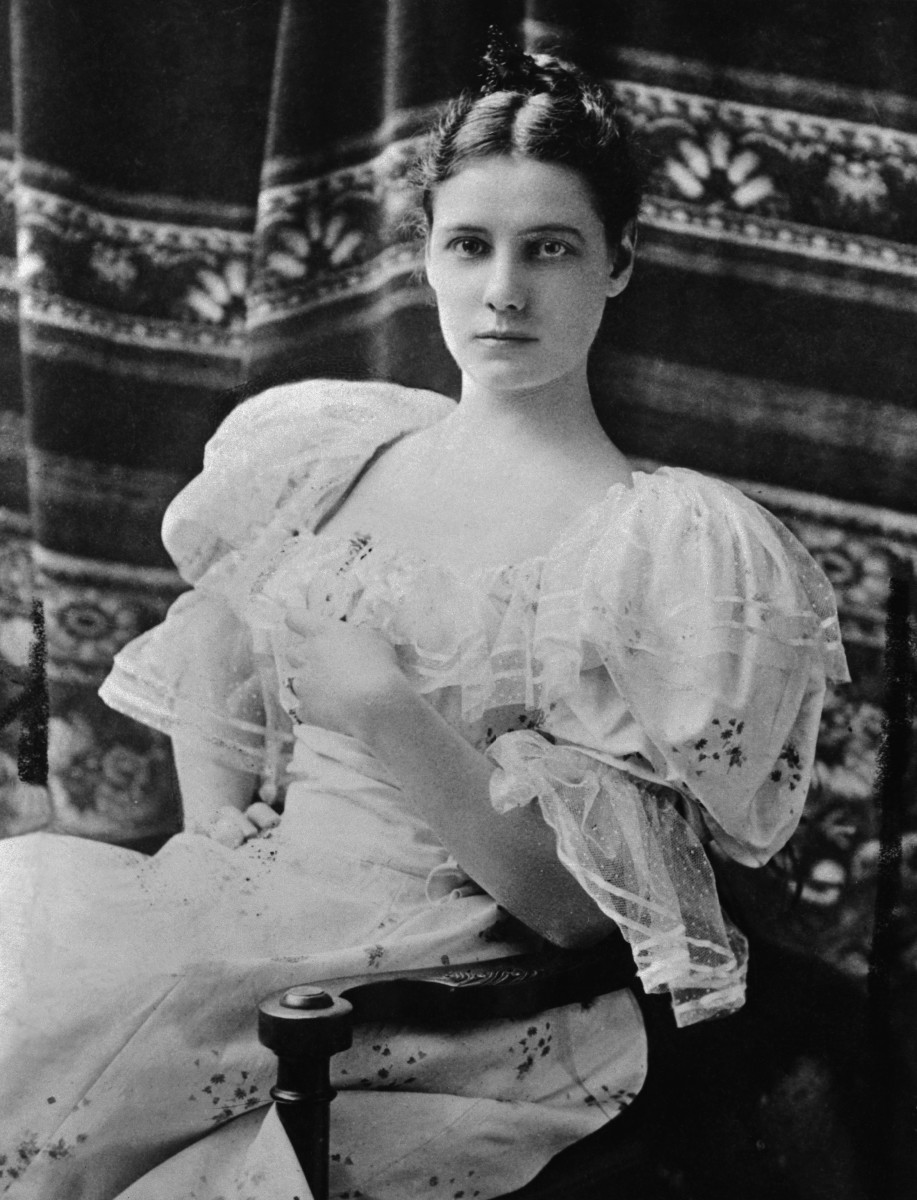
Elizabeth Cochran Better Know as Nellie Bly

Nellie Bly at twenty one years old while working as a foreign journalist in Mexico

Nellie Bly Early Years

Nellie Bly was born in 1864 in Cochran Mills, Pennsylvania at a time when women were expected to stay at home, have babies, take care of their men and be happy doing that. Women had very few rights at that time, little education and they rarely had good career choices. Nellie was born into a large family of fifteen. Her father had ten children before he married Nellie’s mother, who then gave birth to another five children. Nellie was named Elizabeth Jane but was also nicknamed “Pink or Pinky”. Later when she began her career as a newspaper woman, she changed her name to Nellie Bly as her pen name. Nellie’s father died when she was six years old and the family fell into hard times. Her mother remarried but it is said that her new husband was abusive. Sometime later her mother divorced the stepfather leaving Nellie and her mother to support the family by operating a boarding house just outside of Pittsburgh.

Nellie had wanted to become a teacher and briefly attended the Indiana Normal School, now know as Indiana University of Pennsylvania. However, the family’s finances forced her to give up her teaching dream. It was at this time that Nellie left school to help her mother run the boarding house but she still had dreams of what she wanted to do with her own life.

Nellie Begins Her Career as a Reporter

Nellie began her career as a writer and reporter in 1885 at the Pittsburgh Dispatch newspaper. She had written an angry letter to the paper’s editor in response to an article that she felt disrespected young girls and women. After reading Nellie’s letter, the editor offered her a job working for the paper. Very few women were ever offered opportunities like this and Nellie quickly accepted the offer. She was generally given assignments that were considered of interest to women. Here Nellie could give a voice to issues that concerned women such as poor women who had to support themselves as well as the working conditions these women found themselves in. Of course, some of her articles didn’t sit well with the business class and this was the reason she was reassigned to writing just for the women’s page such as society news. Nellie soon grew tired of these boring assignments and wanted more of a challenge. She found her challenge by going to Mexico as a foreign correspondent for the paper where she spent several months writing about the lives and conditions she found in Mexico. After a few months however, she drew the displeasure of the Mexican dictator Porfirio Diaz when she wrote articles critical of his leadership and government. Nellie was forced to leave the country but later she published her book “Six Months in Mexico”. It seems Nellie’s honesty as a reporter was not always appreciated and tended to get her into trouble.

Nellie Exposes the Insane Asylum Blackwell Island

In 1887 Nellie decided it was time to move to New York where she took a job at The New York World paper as a reporter. Her first real assignment with the New York World paper was to go undercover as an insane girl to the Blackwell Island mental institute. How many of us would willing have ourselves committed to an insane asylum? Not very many of us I am sure. Here she spent ten days living locked up with insane women. She saw and experienced everything that a truly insane person would experience. As a result, she wrote a series of articles exposing the mental health facility and she was able to bring about awareness for the mentally insane and instigate an investigation into Blackwell Island. This brought about much needed reforms for mental health institutions. Her story of her time in the mad house later became the movie, “Ten Days in a Mad House”. It was an awesome movie but I believe it was rather dramatized as they tend to do with movies.

Some of the reforms that were brought about by Nellie’s daring venture into Blackwell Island institute for the mentally insane included:

  • Better food for the patients
  • Better health care
  • Warmer clothing and more blankets
  • More oversight into the doctors and nurses treatment of the patients
  • Warm baths instead of icy cold baths
  • Cleaner clothing, towels and personal care items

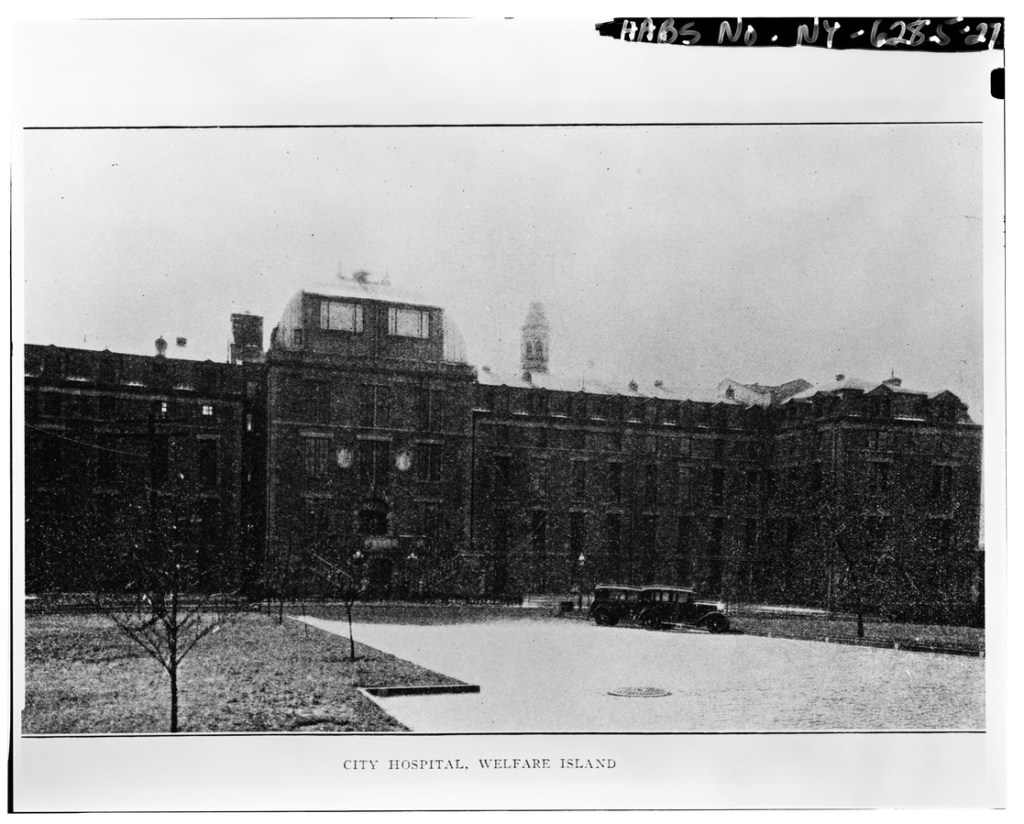
Blackwell Island for the Mentally Insane Asylum

The Blackwell Mental Institute for the insane where Nellie Byl spent confined for ten days

Nellie Travels the World in Seventy Two Days

Nellie also had the opportunity to travel around the world to beat the previous fictional world record of eighty days. When Nellie brought up the idea of beating the old record her editor told her it wasn’t a job for a female so Nellie challenged him to send both her and a man at the same time. Her editor gave her the assignment. She left Hoboken, New Jersey on Nov 14th, 1889 by ship, traveling to London. From London she took trains to Paris and throughout Europe. From there she traveled to Egypt then on to the Suez Canal then headed towards Middle Eastern countries. From there, she next journeyed through Asian countries and into Japan. From Japan she headed home to San Francisco, Ca. Her journey consisted mostly of travel by trains and ocean liners but there are also reports of various other means of transportation such as horses and Asia rickshaws. Nellie completed her journey in record time with a total of twenty one seven hundred and 40 miles in seventy days, six hours and eleven minutes. I am not sure Nellie was aware at the time she began her journey that the Cosmopolitan magazine was also sending another female reporter, Elizabeth Bisland, on the same mission.

During those seventy two days as Nellie traveled the world, the editor of The New York World used her trip to drive up circulation of the newspaper. Nellie would send dispatches to the paper on where she was every day. The newspaper sponsored a contest offering a prize of a trip to the person who made the most accurate guess as to how long her trip would take.

Upon her return arrival in San Francisco on Jan 25th 1890 Nellie was greeted with crowds of admirers and was given a special train to make her trip back to New York. When she arrived in New York she was honored with parades, brass bands and fireworks to celebrate her victory and safe return. She later wrote her book titled “Around the World in Seventy Two Days”.

Nellie’s Many Accomplishments

Nellie Bly was certainly a woman ahead of her time. In a time when women were looked on as nothing more than a wife, mother, housekeeper and laundress, she blazed a path of her own. In 1895 Nellie married Robert Livingston a man quite a bit older than her. After his death, Nellie wrote numerous articles covering the women’s suffrage movement. Her words and her stories were a powerful tool for women everywhere. Nellie also covered the First World War reporting from the Eastern front lines. Nellie received numerous awards for her work throughout her lifetime and she certainly left her mark on the journalist world. In 1998 Nellie Bly was indicted into the National Women’s Hall of Fame.

Nellie Bly was a leader whose work influenced women’s lives in many ways. Her early work exposed factories and influenced changes in safety. She became a role model for young women who dreamed of becoming something more than a wife and mother.

Copyright  2019 L.M. Hosler

Uncategorized

From Commoner to Queen of England: The Journey of Elizabeth Woodville

The White Queen Novel

The White Queen novel is written by Philppa Gregory, a historian with a keen interest in English kings and queens. Philppa Gregory combines her love of history, writing and researching into this compelling story of Elizabeth Woodville, the daughter of a squire and a young widow with two young sons. This is the story of one young woman’s rise to the height of power, her fall from power, her struggles to save her children and the love she has for King Edward IV. The book is well written and Philppa Gregory does a great job with researching any of her books. Although it is fiction, it is based on real people’s life’s and real events that occurred during their lifetime.

This is the story of great royal families fighting for power and the throne of England as the greatest prize of all. Many of these great families would fight against their cousins in a war that became know as “The War of The Cousins” and later known as the War of The Roses. This was a time when friends, cousins and brothers could turn on each other in the middle of a battlefield in a moments notice.

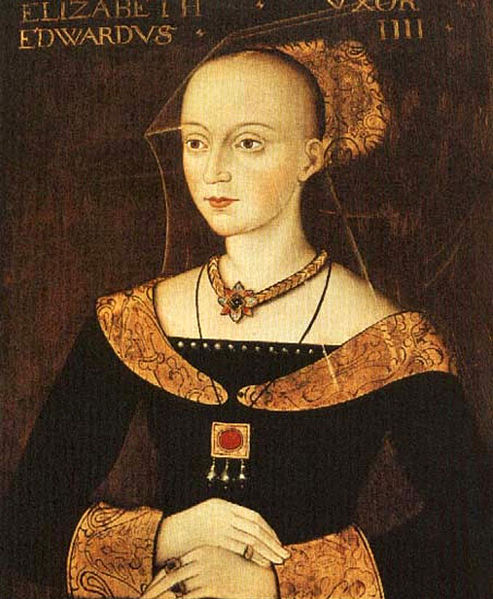
Queen Elizabeth Woodville

Elizabeth’s Story

Elizabeth Woodville was considered to be a commoner and not good enough to marry a king, even though her mother Jacquetta of Luxembourg came from the royal family of Burgundy and had been married to the Duke of Bedford. Elizabeth’s father however, had been merely a squire in the Duke’s service so Elizabeth had no real prospects of a royal marriage. She was also the young widow of Sir Thomas Grey and had two small sons.

Elizabeth waited alongside the roadside hoping for a chance to petition the king to have her land returned to her. When the young King Edward saw her waiting alongside the road with her two boys he was instantly captivated by the beautiful lady. Edward attempted to make Elizabeth his mistress but she firmly refused, she would settle for nothing but becoming his wife and his queen. They soon married in secret and against the wishes of his top advisers and counsel who were hoping to make a match with a princess of France and King Edward.

Elizabeth is soon anointed as Queen Elizabeth. Through her new husband begins to move her many family members into positions of power and wealth through marriages, which infuriates Edward’s great friend and mentor the Earl of Warwick. The Earl of Warwick schemes and brings about an uprising in which he tries to have Edward’s younger brother George made king and put on the throne.

This is only one of the many uprisings and rebellions that King Edward and Queen Elizabeth faced as they ruled England and their own family grows. There would be many battles and much blood shed as the royal couple fight to stabilize England and keep the throne for their sons.

Elizabeth’s Young Sons: Heirs to the Throne

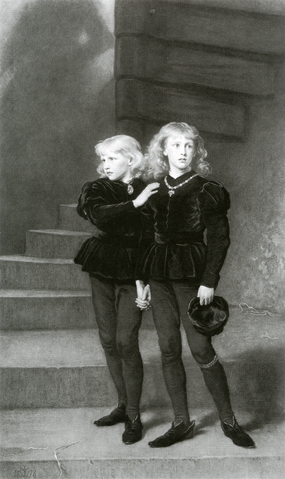
Young Prince Edward and his younger brother Prince Richard

Elizabeth came birth to several daughters and two sons who were the heirs to the throne after their father King Edward. King Edward, unfortunately dies while the two boys were too young to be named king. Edwards younger brother, Richard took the throne instead and the two young heirs were sent to live in the tower. One of the greatest mysteries in the story of Elizabeth Woodville, is the story of the two sons who were imprisoned in the tower and disappeared with no trace and no bodies were ever discovered. To this day, no one knows what really happened to the two young princes, Rumors were that King Richard had the two boys murdered so that he could be crowned king. However, there were several others who could have murdered the boys or given the order to have them killed. The author of The White Queen, gives a different theory on what may have happened to the heirs to the throne. The boys disappearances have never been solved and their killers were never found.

Reasons I Recommend Reading The White Queen

I have read several of Philppa Gregory’s books and I have loved every one that I have read. She uses actual people, dates and events to tell a fascinating story. Every book has been a page turner and hard to put down. In this story of The White Queen she describes battles, conflicts and emotions that I felt as if I were transported back time and as if I were right there in the middle of all the conflict. Thank goodness I was only reading about these treacherous and bloody times.

I personally love this type of story because of the history and that I know these things actually happened and people lived these stories.

I recommend this book for many reasons

  1. If you are like me and like stories base on history you will enjoy this book
  2. For those who like action to keep your interest there is lots of action detailing many of the battles of the War Of The Cousins
  3. Romance: Who wouldn’t like a love story involving the King of England who marries a squire’s daughter just because he falls in love with her even though she has no title or great wealth or power
  4. It is an intensely emotional story as Elizabeth the mother of the princes in the tower fights to save her sons
  5. Because the characters are based on real people, they seem very real

I would encourage anyone to read the story “The White Queen” by Philppa Gregory. This story has also been made into a television mini series which is very good. Philappa Gregory also wrote “The White Princess” Which is the story of Elizabeth’s oldest daughter and her marriage to Henry VII. The White Princess has also been made into a television mini series.

Copyright L.M. Hosler 2024

Entertainment, Uncategorized

Impact of Violence in Entertainment on Children


A young boy playing with a gun

A young boy experimenting with a weapon
A young boy experimenting with a weapon | Source

Violence And Our Society

There is no doubt about it, everyday we hear so much violence on the news. It seems our society is becoming more violent with each passing generation. We, as parents, grandparents and society in general have an obligation to try to stem the tides of violence. So where do we start? Our government wants to take away our rights to own firearms. They also want to remove our ability to protect ourselves. They think the solution is gun control. But most of us, know that if a criminal wants to inflict violence on others, they will find a way. They may choose to steal guns. Recently, there have been cases where they used various other weapons. These include knives, ropes, bricks, hammers or rocks.

We know that mental illness plays a role in most cases of violence. But, here again, there are many who suffer from some form of mental illness, who would never harm someone else. But suppose a slightly mentally ill young person grows up viewing violence every day. They see this violence in their television programs, movies, and video games. Would that make the chances of that person committing a violent act increase? If they view this every day, does it not distort their thinking and reasoning ability? If a mentally ill person views violence as a way of life, do they choose violence? Do they use it when they have issues with others? Is violence their method of resolving conflicts?

Children Learn Violence

Most children are not born with violent tendency, except for certain mental illnesses. They learn what their surroundings and those people around them teach them. A National Television Violence Study project was done by the government nearly twenty years ago. The studies results showed the following.

  1. Children learn aggressive behaviors
  2. Children who watched a lot of violent television and movie content seemed to lose their empathy towards others
  3. Some children would develop fears of becoming victims of violence

Yes, children do learn from watching violence on television. A friend of mine has the scar to prove it. Her brother, after watching cowboy and Indian shows decided to try to scalp my friend with his pocket knife. Of course, in this case, the child was punished and made sure he knew what he had done was wrong. My own son, after watching a show called Circus of The Stars, decided to try to ride his bike over his younger brother. These are just two example of how children react to what they see on Television.

Hero Or Nasty Villain

We have all watched movies where the hero did some very extreme acts of violence himself. However, the hero is shown as being glamorized and his actions are excusable in his efforts to destroy the villain. The villain is portrayed as so evil, that any violent acts the hero does is justifiable even if the hero has killed, harmed or damaged just as many people as the villain.

Now movies, and television drama shows would be very dull without some sort of conflict, I agree. But, do they have to show in graphic detail, blood and body parts flying? I think not. Movies were just as good years ago, without having to see blood smeared and detached limbs and heads.Some of these shows, movies and video games are so graphic that children are growing up seeing blood splatter that it has no effect on them and it doesn’t seem to bother them. In fact, to them this is exciting and normal. Some movies I have watched recently have shown people being tortured or being beaten so badly, that I had to turn off what might have otherwise been a good movie. In fact, it was a remake of Bonnie and Clyde, but it was so much more violent than the original, which was quite violent enough.

Everyone Can Help Change The Violence

All of us have the ability to help to curb violence in the media and protect our young people from its harmful effects. Here are some tips that may help parents or caregivers of young children.

  • Know what programs your child is viewing and what video games they are playing.
  • Watch with your child the games they are playing and the television programs they are watching
  • Limit the amount of time the child is allowed to play games or watch television
  • Make use of the time you spend watching television programs by discussing how this is not what reality is
  • Talk about the violence and let your child know it is not reality and there are consequences to violent behavior
  • Change the channel and explain why you are doing so
  • Refuse to watch overly violent shows or movies
  • Talk with other parents and encourage them to avoid violent games, movies and television programs
  • Also discuss with other parents if there are violent games or shows you do not wish your child to be exposed to. Chances are they may agree with you.
  • There are groups that try to curb violence that children are exposed to. Join one and make a difference
  • Most televisions have parental controls which can be used to help eliminate viewing violent and sexual content. Be sure to use these controls
  • Join groups that work towards curbing violent games and television

The Good Things

Yes, there are good programs on television and good movies. It is just getting harder to find good family type movies. There are some good educational channels, such as the History Channel, and some good family movies can be found on the Hallmark Channel. Teach your children to look for the good and protect them from being overly exposed to the violence. Hopefully, our society may change its course amid all the violence and eventually hold the entertainment industry accountable for what it produces.

Uncategorized

Understanding the Tragedy of Native American Displacement

Andrew Jackson Is Elected President

In 1828, Andrew Jackson was elected president of the United States. AS president, he had promised that if elected he would have the Indians removed. Jackson had always disliked the Indians and had been involved in several brutal attacks on the Creek and Seminole Indians. Gold had also been discovered that year in Georgia, which led to more settlers laying claim to Cherokee land. After Jackson took office he promptly began working on passing a law to remove the Indians. On May 28, 1830, he signed into law “The Indian Removal Act.”

This act resulted in two lawsuits being filed with the US Supreme Court. John Ross was the principal Cherokee chief at the time. He filed one of these suits. He claimed that the Cherokee were a sovereign nation and thus the law was illegal. The court decided in favor of the Cherokee. It declared that the Cherokee were indeed a “domestic, dependent nation.” They were under the protection of the United States government.

The second case was Cherokee Nation vs Georgia. It was decided in favor of Georgia. This happened due to the Supreme Court’s refusal to hear the case. The Supreme Court declared it did not have any authority to hear the case. This was because the Cherokee Nation was not a foreign nation. They were also not a state. This decision left the Cherokee vulnerable to President Jackson’s “Indian Removal Act.”

Politicians Broken Promises and Lies

In May 1838, General Winfield Scott was given the assignment of driving the Cherokee from their homes. He did this by burning their homes and killing families if they resisted. Those who did not resist were moved into stockades, also know as forts, which had been built in Georgia, Alabama, Tennessee and North Carolina. The stockades had little food, sanitation or even blankets and the water was unsafe for drinking. The Indians were crammed together in unhealthy and overcrowded conditions. The weather was extremely hot that summer. Diseases such as measles, dysentery and other diseases, spread rapidly and left an estimate of 2000 dead Indians in the camp. The government had promised the Cherokee money for things such as food, blankets, medicine and sanitation needs but the money never arrived for those things. Instead, as in many cases involving the government, it lined the pockets of greedy politicians and military officials.

The Trail Of Tears Begins

Some of the luckier prisoners were finally moved by boat, in June and July, while others would be forced to wait months in the camps and then would be forced by the U.S. army to travel by foot with only a few wagons to haul supplies for the trip. In October, the remaining Indians were organized in groups of 1000 to begin the journey west. Many would not live to see their new homeland. They would be forced to travel in horrible winter weather conditions, with little food or warm clothing or even shoes on their feet for the winter months. Thousands would die from starvation, disease, or would freeze to death before reaching their destination. Many of the old would simply die of exhaustion along the way. Death occurred on a daily basis and the dead were buried along the trail. Mothers would be forced to bury their children and then proceed to move westward. This forced removal from their homes and the march of the Cherokee Indians became known as the “Trail of Tears” because of the heartache and the millions of tears shed by mothers and families along the way.

Trail of tears marker honoring those who were forcibly removed from their land. Source: Creative Commons Attribution-Share Alike 4.0 International license.

Legend Of The Cherokee Rose

As the Cherokee walked the trail to their new home, there were many tears, especially from the mothers. One of the elders of the tribe sought to ease their pain and suffering by praying for a sign. Soon after that, each time a mother’s tear fell to the earth, a beautiful white rose with a gold center would grow. It was said that the white represented the mother’s tear while the gold center was the gold stolen from their lands. The seven leaves represented the seven Cherokee nations. Today, these beautiful white roses grow wild along “The Trail of Tears.”

A National Disgrace

This is perhaps one of the greatest tragedies in the history of the United States. Government tyranny, greed and power outweighed common decency and kindness. Basically, our native American citizens were forced into concentration camps, much like Hitler did to the Jewish people. For this, Presidents Andrew Jackson and President Martin Van Buren, who was elected president after Andrew Jackson and finished carrying out Jackson’s evil work, will both have to account for all the pain and suffering they were responsible for.

history, History, Women and History

Royal Fairy Tale Weddings: Royal Scandals

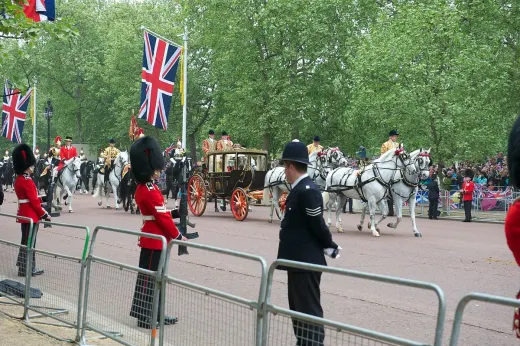
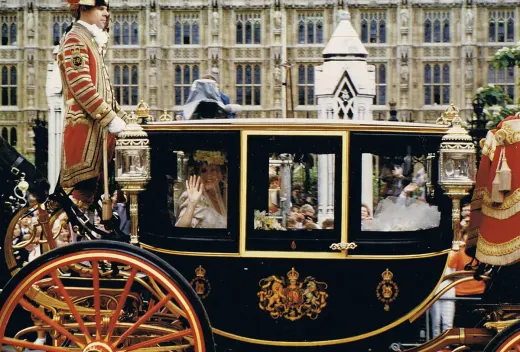
The Queen Arrives at Royal Wedding

The Queen of England arrives by carriage at a royal wedding.

Times Have Changed Attitudes About Royal Marriage and Divorce

At one time, divorce was not an option to even be considered for the royal British family. It was almost impossible to obtain a divorce among the royal class. But over the years there were some exceptions, probably beginning with King Henry VII and his six wives. In his case, he did manage to divorce his first wife. The other wives had less fortunate endings. But divorce among the royalty was still considered taboo and likewise, they were not allowed to marry a person who was divorced. King Edward VIII gave up the throne to be able to marry the twice divorced Wally Simpson. Things began to change during the reign of Queen Elizabeth II. Her sister and three of her children’s fairy tale weddings ended in divorce. Just recently Prince Charles the heir to the British throne and his son Prince Harry have both been allowed to marry divorced women. It is looking very likely that the fairy tale wedding of Prince Harry and Meghan Markle will quite likely end in another royal scandal. As a matter of fact, this royal fairy tale has already become a major scandal for the British monarchy.

The Prince and Princess of Wales

Prince Charles and Princess Diana marriage begins to crack.

Not long after Prince Harry was born, things began to deteriorate between the young couple. Charles had done his royal duty and produced an heir and a spare heir. By 1986, rumors began that Prince Charles was rekindling his old romance with Camilla Parker Bowles. Then the rumors began about Princess Diana and other men. How much was true may never be fully known, but we do know for certain that Prince Charles did have an affair with Camilla Parker Bowles, and he did marry her several years after Diana’s death. The fairy tale had become a rocky road. In February of 1989, Princess Diana had an occasion to confront Camilla and let her know that she knew what was going on behind her back. By 1990, the marriage was on very shaky ground and at some point, Prince Charles admitted his affair with Camilla Parker Bowles. Diane famously said that there were three people in their marriage.

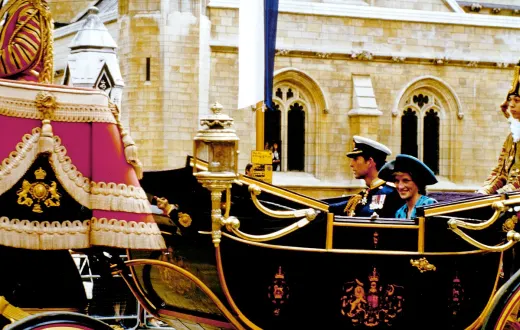
Prince Charles and Princess Diana arrive by carriage to Prince Andrews wedding

Princess Margaret the Queen’s Rebellious Sister

Princess Margaret had a reputation for being a rebellious royal. When she was very young and quite beautiful, she fell in love with Captain Townsend. The two privately planned on being married but the captain who was divorced was not considered a good match for Margaret. He was not of noble birth but even worse he was a divorced man which was not acceptable at that time. Margaret at that time needed both the permission of her sister, the Queen Elizabeth, and parliament to marry Captain Townsend. Privately, her sister would have granted her permission but it was well known that parliament would not give their consent. Eventually Captain Townsend and Margaret called off their romance.

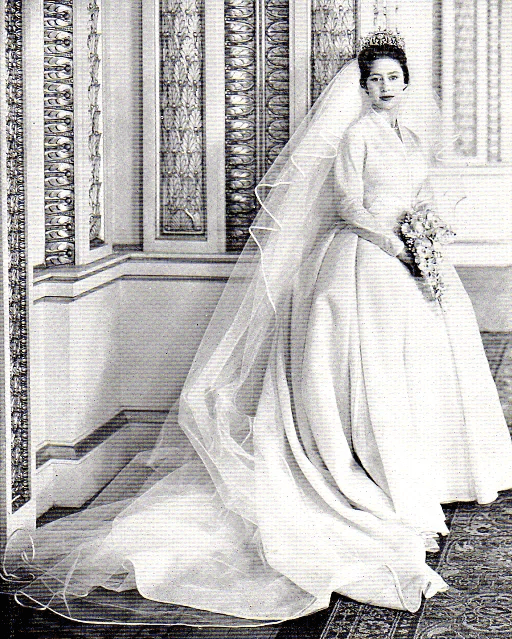
On May 6, 1960, Princess Margaret married a thirty year old photographer and commoner, Anthony Armstrong Jones. It was a lavish fairy tale wedding with thousands of guests, royals and heads of states from other countries. It was also watched by millions around the world on national television. On November 3, 1961, their first child David arrived followed by a sister, Sarah on May 1, 1964. Upon the arrival of the children, it was decided that Anthony Armstrong Jones needed to be given a royal title for the sake of the children. He was given the title of Earl of Snowden and his son the title of Viscount Linley. A few years after the birth of the children, the marriage began to sour. The couple loved partying which ended up involving affairs, drugs and alcohol, all the aspects of the modern 1960s. The two separated and on July 11th 1978, after eighteen years of marriage the fairy tale ended in divorce. Princess Margaret twenty years earlier could not marry a divorced man but 1960s changed attitudes so by 1978 divorce among the royals was not quite so scandalous.

Princess Margaret in her Wedding Dress

Prince Andrew and Sarah Ferguson

Prince Andrew was formally introduced to Sarah Ferguson at a party given by Princess Diana. They immediately hit it off with Prince Andrew falling for the fiery red haired beauty. On March 18th 1986, they announced their engagement. On July 23, 1986, they were married at Westminster Abbey where many of the royal family have been married.

Almost from the start, theirs was a rocky road. Prince Andrew’s position in the Royal Navy kept him from home for long periods of time for the first five years of their marriage. Sarah or (Fergie) as she was known had deep security issues relating back to being abandoned by her mother at an early age. The couple did have two daughters, Beatrice and Eugenie. Sarah was perhaps never fully supported by the royal family. She didn’t fit the royal mold and was bold and outgoing. At any rate, the marriage floundered and the Duke and Duchess of York announced their separation in 1992 and were divorced in May of 1996. Along the way there were scandals and other relationships as was the case in most of the other royal fairy tales. However, their story may yet have a happy ending. Prince Andrew and Sarah have always remained close friends and both were very involved in the raising of their two daughters. It seems that today they live together and there are rumors that the two may remarry someday. Let’s hope that this royal fairy tales ends like fairy tales are supposed to end and they live the rest of their lives happily as fairy tales are meant to end.

Sarah Ferguson on Her Wedding Day

The scandal That Splits The Royal Family

The latest royal scandal is still brewing. This one involves the Duke and Duchess of Sussex, the former Prince Harry and his bride Meghan Markle an American Hollywood actress. The couple married on May 19, 2018. Their son Archie was born the following year on May 6, 2019. In January 2020, they made headlines around the world with their decision to leave the British royal family and move to Canada.

Some Fairy Tales End Happily

Everyone, including me loves a fairy tale. When we see a young beautiful prince or princess marry in a huge fairy tale wedding complete with beautiful white dresses, horse drawn carriages, famous and titled guests, we can’t help but still believe in fairy tales like Cinderella, Snow White and Beauty and the Beast and happy endings. After all, some of the royal family such as Queen Elizabeth II and Prince Phillip and Queen Victoria and Prince Albert somehow managed to live out their fairy tale.

Copyright Linda Hosler March 10, 2014

history, History, writing

Advice on Beating Writer’s Block

The Frustration of writer’s block

Some days it seems like ideas for writing just flow through your fingers and onto paper. But then along comes the dark days when nothing you write seems to be right and there seems to be no new ideas. Writer’s block is seen as a condition where creativity is blocked, frustration and irritation tends to set in. Writer’s block occurs when the writer wants to write but can’t seem to find the right ideas and words. Some writers suffer from writer’s block after having a story or book rejected or criticized. I have read that even well known authors suffer from writer’s block at times. What can a writer do to help get back on track and beat writer’s block? I know from experience that getting rejected or not being able to make money by writing that many of us including myself, tend to get discouraged and put our writing on the back burner to pursue other avenues. Certainly not the right thing to do, but it happens. So how do we get back on track and beat writer’s block?

Stories Are Out There Waiting for Us to Write

You have probably already heard the great advice, that says you should write about what you know. This may be very true, but writer’s generally write about just about anything. Whatever their passion is they will write about it. Some writers write books while others are content to write short stories, poetry or articles. What is your passion? Write about that.

  • Romance: My favorite and a big seller
  • Family
  • Your own personal stories
  • Science Fiction if you have a great imagination
  • Social Issues: Writing about something you feel strongly about can change our world
  • Sports are a big part of our lives and so much to write about
  • Politics are exciting to write about and can influence other people’s opinions
  • News is always happening around us every day. In our own communities and around the world
  • Science and history: I personally love history and always have so this is my niche. Science not so much for me.
  • News articles about current events

Stories are everywhere just waiting for the right writer to put the words down on paper. That writer could be you.

Romantic Stories Ideas

Love stories are very popular. Who doesn’t love a good love story with a happy ending or maybe a not so happy ending because not all love stories have happy endings.

  • Love stories are all around us. Ask some older couples who have been married a long time how they met and they will be happy to give you a great story
  • Or how about a man or a woman who travels back in time torn between two loves
  • Another great story idea is two people in love with each other but live miles apart but can’t seem to find a solution to be together
  • How about a story on celebrities couples who have survived a long turbulent relationship
  • Tell your own love story good or bad

History is Full of Great Stories

  • Write fiction stories based on historical events and people
  • Write nonfiction on real characters and events
  • Write your family history. Did a family member serve in one of the wars? I just recently started searching my family history and found several interesting relatives that with some imagination should make for interesting stories
  • Veterans are a great source of information and stories of their experiences serving our country
  • I often research old newspapers for some ideas about people and events that may make interesting fiction. Just be sure to change names and other identifying personal facts unless you have the written permission of the parties involved.

Ideas Right in Your Own Backyard

  • Gather some odd or old items like old pictures, jewelry, clothing, games or old letters and create a story combing all those items.
  • Look out your window to see what the neighbors are doing (be nosy)
  • Take a walk through a park and watch people and make up stories about how those people are related and what they are doing. What’s the story of the older couple sitting on the park bench? Go talk to them.
  • Has someone in your life inspired you to become a writer? Write about who that was and how they influenced your writing.
  • Talk with some disabled people and write about how their disability affects their lives and their family’s lives. Maybe volunteer to help someone who is disabled.
  • Invite the neighbors for a cookout and just sit back and listen to some of the stories which you will hear.
  • Imagine that you have inherited an old house that is filled with old documents and personal papers.
  • Imagine that you find something that affects your life. Or maybe you find old stocks and bonds that are worth a fortune. What will you do with all that money
Your Own Personal Life

While I feel that my life has been way too boring to write much about there have been some tough times and decisions, I have had to make that I am currently writing about. For example, years ago I wrote an article about going through a divorce and how it affected me and how I worried about how my children were going to affected by the divorce. I just now while writing this have come up with a brainstorm. Now years later, I am going to write about just how it did affect my three sons and their lives.

These are just a few ideas and tips to break the writer’s block we all experience at times. But what’s really important is that we get started and don’t stop writing. And the most important advice is to never give up, never quit writing.

What Works for Me

 have recently found some new ways to get creative. First, I joined some writing groups on Facebook and found some new ideas.

One thing I do is look for some ordinary pictures such as a boat washed up on the beach. Then I start describing the area around the boat. Some people are standing in the background, so I make up names and personalities for them. I image these people coming out for a family holiday out on the boat and picnicking on the beach. After a while my story starts to develop. Who are these people, how are they related, what are they doing at the beach? Are they a family or just a group of friends.

Another thing I am doing is to read the obituaries of any newspaper and make a story of that person’s life. I don’t use the names of course. But I can tell a story by their age, marriage or marriages, children, grandchildren. If they were in a branch of the service, or what organizations they belonged to such as churches, or if they were a teacher. Again, a story begins to develop as you write. In other words, I model my characters after these people.

I also love watching movies and documentaries which don’t always answer my questions so I begin doing research on my own and the next thing I know a story evolves. I change the names and make it a work of fiction.

These are a few of my ways of beating writers block and they work for me. I hope they may help others to do the same.

Best Tips to Beat Writing Block
  • Have fun and experiment with new things and ideas
  • Keep learning and researching.
  • Go exploring in your local area or travel if you can afford to do that.
  • Read anything and everything.
  • Research through old newspapers (Library of Congress) is a great source.
  • Local newspaper may also provide some inspiration.
  • Get started writing every day and new ideas will start to form.
  • Schedule writing time just like a regular job. Even just sitting down and writing whatever comes to mind. Write those ideas down for future references.
  • Carry a small notebook with you and jot down things you observe that may make a good story or article later.
  • Write about anything that interests you. Don’t limit yourself. Write about times you were happy or had a terrible experience or a life changing experience.
Putting it All Together

In conclusion, most every writer experience writer’s block from time to time. I know I do. I also know that we must all hold ourselves responsible and keep writing even when it’s difficult. Writing is not always easy, but we must not give into the temptation to just throw in the towel. If writing were easy everyone would be doing it. If writing is your passion, then you will keep those fingers flowing over the keyboard and the words filling the pages.

Copyright Linda Hosler April 30, 2023

history, History, Women and History

Mother and Serial Baby Killer Marie Noe

What sort of mother will kill not one but eight of her ten children??

Marie Noe was a young Philadelphia woman who had ten children between 1949 and 1968. Two of those children lived only a short time and died stillborn. Some only lived a short time in the hospital, never making it home. The other eight babies Marie admitted to smothering to death.

Marie was born as Marie Lyddy on Aug 3, 1928, in an area of Philadelphia, Pa. It seems that Marie had been a neglected child who was most likely physically, emotionally and sexually abused as a young child. Marie’s family was certainly a troubled one. And to make matters even worse, Marie contacted scarlet fever which left her with some learning disabilities. She had a very limited education. She most likely only finished the fifth grade. At that time, she started working to earn her keep.

Marie was close to twenty when she married Arthur Noe and he was twenty-seven. Shortly after that the babies started to be born.

  • Ten Babies
  • Richard Allen March 7th, 1949
  • Elizabeth Mary Sept 8, 1950
  • Jacqueline April 23, 1952
  • Arthur Joseph Jr
  • Constance Feb 24, 1958
  • Letita stillborn Aug 24, 1959
  • Mary Lee June 1962
  • Teresa Died in the hospital only hours after her birth
  • Catherine Ellen Dec 3, 1964
  • Arthur Joseph Jr July 1967

Several of these babies spent a few weeks or months in the hospital and seemed healthy. Healthy enough for the doctors to release them to go home. But then dying a few short weeks or days later. Marie was always alone with the baby when they died. But the deaths were all considered to be SID deaths which is (sudden infant death syndrome). After the birth of the second Arthur Joseph JR, Marie was no longer capable of having any more children.

Investigation and Sentencing

In 1999, a newspaper article written by Stephen Fried brought the Noe’s story back into the spotlight. This article triggered an investigation into the deaths of the eight children. That many years later the evidence of course was sketchy. However, Marie Noe was brought in for questioning and eventually confessed to killing four of the children. She was seventy-one years old by that time.

history, History

Telephone History

Early Phones

Alexander Graham Bell in 1876 was the first person to patent a new invention known as the telephone. For many years the Bell telephone company would bear his name. Today in some areas the Bell telephone service is still in existence. Telephones have certainly become quite different from the original first telephones. We have moved from phones that were hard to hear on to smart phones that can function as a small computer that we can carry in our pocket or our purse.

Photos of Alexander Graham Bell as a young man and as an older man.

Some Photos of the Earliest Phones

Bell’s First Model 1875

Not sure how this model worked.

Old Antique Crank Telephone

An antique crank phone that can be seen at Buffalo Gap Historic Village, Taylor County, Texas.
Photographer: Carol M. Highsmith

Rotary Desktop Phones

Telephones became more modern and rotary desktop phones became popular. The rotary phone was a phone that had the numbers 1-9 and was designed by Almon Brown Stowger in 1891. One of the popular models in the 1940s was the candlestick phone.

A very old rotary telephone
A fancy white desktop rotary phone.

Moving Forward to Smart Phones

Today almost everyone including children carry what is called a smart phone with them at all times. These phones are very convenient to stay in constant touch with family and friends. I was extremely glad to have my phone with me when I hit a pothole in the pouring rain one night. It allowed me to call for help while remaining inside my car. These portable phones are a great help in times of emergencies.

Smart cells phones are an essential part of our society. Parents can stay in contact with their children easily and know where their children are. Of course, there are also safety issues with teenagers going online with strangers who may cause them great harm. There are also many questionable sites that are not suitable for children of any age to be using. But smart phones are here to stay. They have good and bad uses depending on the way they are used. In the picture below we see students with their phones in school. It makes you wonder what will be coming next.

Today, almost every student has a cell phone with them.

history

Memories of Covered Bridge

Covered Bridges once covered most of America’s streams and creeks, connecting towns and counties. However, today most are gone and have been replaced by unappealing but sturdy and safe concrete bridges. Beautifully structured covered bridges are now mostly just memories and pictures to younger Americans. Even I barely remember traveling over these bridges as a child. But in my area we do have a few bridges that have survived the years of high water and floods. These floods moved many bridges off their foundations. They washed them downstream or completely destroyed them. Some have been turned over to the local county historical society which keeps them in good shape. Most can not be driven over any more but there are two that still are open to traffic.

Beautiful Covered Bridge in Winter

A Gone Forever Era

Covered bridges are a significant part of America’s history. They bring back good memories of a time when life was simple and carefree. Covered bridges certainly create an urban country picture like nothing else. A picture of a covered bridge in winter shows snow covering it and an icy creek beneath. It makes me want to sing the song “Over the River and Through the Woods to Grandmother’s house we go.” A horse drawn sleigh completes the picture. In the fall, a covered bridge makes a beautiful picture. Colorful foliage surrounds it. Water rushes underneath it. We can only wish we still had the chance to experience just one more sleigh ride. We long for a ride over the old covered bridge. Sadly, that era is pretty much gone forever.

At one time, there were approximately fourteen to fifteen hundred covered bridges across the United States. Today, most of those bridges are gone. Some were swept away by flooding waters and severe storms. Others simply became too old and unsafe for heavy cars and trucks. Some of these covered bridges that do remain are at least one hundred and fifty years old. Many states are now trying to save these historical bridges and restore them. They have become historical landmarks. These bridges should be valued by future generations. Otherwise, future generations will never know their beauty.

Pennsylvania was one of the few states that resisted adopting iron bridges when they became popular. Instead, it continued to build covered bridges. As a result, in Pennsylvania there are close to two hundred surviving covered bridges still standing. Today, a friend of mine and I drove across one of the few remaining bridges still in use today.

Covered bridge in Orential, PA

Ghost Stories Haunted Bridges

Covered bridges have many great stories to tell. Young lovers found these covered bridges great places to sneak away from prying eyes. But many of these bridges also have very sad stories. Legends are attached to them. Over the years, they have become sites for those interested in paranormal activities.

Historic Sachs Bridge In Gettysburg Pennsylvania

Gettysburg, Pennsylvania claims one of the most historic covered bridges in Pennsylvania or for that matter in the entire nation. Sachs Bridge was built sometime between 1852 and 1854 by David Stone. It crosses the Marsh Creek, in Adams County, for one hundred feet and is fifteen feet wide. This bridge gained fame because both the Union Army and the Confederate Army used it during the battle of Gettysburg. General Robert E. Lee and his confederate troops retreated from Gettysburg by way of Sachs Bridge.

It is said that this bridge is haunted three deserters were hung from the one end of the bridge. It is also near the hospital that was used after the Battle of Gettysburg.

The Sachs Bridge was closed to traffic in 1968. In either 1996 or 1997, heavy rains washed the bridge off its foundation. The rains moved it downstream. It has since been taken over by the Gettysburg Preservation Association and repaired.

Emily’s Bridge in Stowe, Vermont

Emily’s bridge is a colorful sad tale. The story is that Emily went to the bridge to wait for her young beau and the pair planned to elope. However, the groom failed to appear and Emily was found hanging from the rafters of the bridge. Another version of the story is that Emily was thrown from a horse into the water and drowned. And then there is the story of a woman who says she made up the whole story to keep kids in the seventies from partying at or near the bridge.

Hell’s Bridge in Michigan

This tale sounds like a horror movie. It seems that children were being abducted in the local area of the bridge. The townspeople decided to search for the abductor. They left their children in the care of a strange character named Friske whom they thought to be a kind caring old gentleman. But Friske turned out to be the one abducting and killing the children. Friske seemed to be possessed by demons and killed the children he was supposed to be looking after. The enraged parents immediately hung the old man from the bridge. It makes quite a gruesome story although it’s doubtful a true story.

Colville Covered Bridge in Kentucky

Colville covered bridge was built in Kentucky in 1877. There are several stories about the bridge being haunted. The biggest ghost story is about a pair of teenagers who died on prom night. The story is that the couple was driving home in the 1930s from their prom. Their car veered out of control. It ended up in the water, and the two drowned.

Covered bridges have some very interesting and colorful stories of young lovers and lost lives. How many of the stories are true no one knows. But these bridges certainly were a great part of our history. Hopefully, some will remain cared for to preserve their history and their stories.

Please Help To Preserve Our Historical Bridges

It takes time, money and volunteers to save our wooden covered bridges but they are worth the time and effort. These covered bridges have a timeless beauty, wonderful charm and great engineering structures. If you have the time, money, energy and knowledge to help save our bridges please consider helping.

history

How Americans Have Recycled in the Past

Recycling is not a new idea. People have been reusing and recycling what they could throughout American history. From it’s very beginning people were doing what is now know as recycling.

 Waste and recycling are not new concepts although many young people may think it is since it has now been given the name “going green”. Actually, recycling goes back several centuries or more. I have heard some young people make statements about how the older generation have harmed the earth and the environment. This is just not true. Life, technology and new products have just changed how we take care of our planet. While every generation has done harm to the environment, they have also done their part in trying to keep a clean environment. Times have changed and so have the way that people lives their lives. For instance, how many things have become disposable that we take for granted in today’s fast paced hectic world?

Disposable Items Have Developed Over The Years

  1. Disposable diapers
  2. Sanitary products
  3. Kleenex tissues
  4. Disposable razors
  5. Paper plates and bowls
  6. Plastic silverware
  7. Takeout food containers
  8. Plastic bottles
  9. Milk jugs

Cloth Diapers

Before Disposable Items Were Available

Disposable diapers are something no young mother could ever think of doing without. But older generations did not have this luxury. They did something that young people today would consider (too gross) to do. They used cloth diapers and the feces and urine were rinsed out, then the diapers were washed and hung on a line in the sunshine to dry, taken down, folded and put away to be used the next day and often times were used for the next baby. When they worn thin or had holes or tears, they were then used as cleaning rags.

Women’s sanitary products were also at one time used in the same way. My one hundred and one year old female friend tells me how she would use flannel pads that were washed, dried and reused. Can any woman image doing that today?

And disposable Kleenex tissues have replaced the old fashioned handkerchiefs that were washable and therefore reusable.

Picnics would not be picnics today if we didn’t have disposable plates, cups and plastic silverware. All which we take for granted. At one time however, real plates, glasses and silverware were packed into a picnic basket. All items were taken home, washed and packed away to be used for the next outing.

Take Out Food

We now live in a world of takeout food and fast food restaurants. Who hasn’t ordered in pizza or brought home Chinese food for supper? No dishes or pots and pans to clean up. That is truly the way to go. All the mess goes straight into the garbage except for putting those pizza boxes or sandwich boxes into the recycling bin.

Recycling Cans And Bottles

Cans and plastic bottles are now used in place of glass jars and containers. Consider for example, milk used to come in glass jugs while soda came in glass bottles. Milk jugs were returned to the dairy where they were thoroughly scrubbed and scalded to make certain they were sanitized to be used again. Soda bottles were collected to be turned in and in exchange you received 5 cents per bottle. Today, milk, soda, water and other beverages almost all come in plastic containers. These plastic containers should then be collected and recycled.

Cans are also recycled to make new cans. Now we save and return aluminum cans and receive money back for the aluminum cans.

How Americans Recycled During The Depression Years

During the depression era, nothing was thrown away that could possibly be used again. People found uses for everything. This is a short list of some of the items that people recycled.

  1. Flour sacks were emptied, cleaned and were reused for clothing and quilts
  2. Sheets and clothing were never thrown away. They were mended and when they were no longer salvageable, they were used as cleaning rags
  3. Even the smallest soap slivers were not thrown away. They were used in some other way such as melted with other slivers to make new cakes of soap or some were thrown into the wringer washer to wash dirty clothes
  4. Tires on bikes and cars were patched instead of replaced. Tires were also used as tree swings for children
  5. Chickens were for meat and eggs but the feathers were also washed, dried and used in pillows and blankets

Americans Recycled Everything For The War Effort

One of the biggest recycling efforts that ever took place occurred during World War II when just about everything was recycled for the purpose of making necessary war items. There were huge campaigns asking people to support the war effort with their old unused items.

  • Scrap metal was collected and used for making tanks, airplanes and ships
  • Cans were also recycled for the same purposes
  • Old clothes made blankets and uniforms as well as other clothing for the soldiers
  • Pots and pans were used as scrap metal
  • Rubber of any kind which was in extremely short supply. This included raincoats, rubber boots and even old records
  • Newspapers and magazines
  • Animal fat was collected and used for explosives in the war.
  • Even children sacrificed their favorite metal and plastic toys to help the soldiers

This list sounds an awful lot like the items we still recycle, doesn’t it?

Life Changes How We Recycle

Recycling and the way we live our lives has changed through the years. Our ancestors did their part in saving the earth by recycling the materials that they had available to them. From Colonial times, when even the smallest scraps of clothe were saved to be sewn into blankets, through the depression era and several wars, Americans have been recycling.

Today, we have many more modern conveniences that make our lives so much better than other generations. Those conveniences do use more energy but could any of us do without them? We can still do our part by recycling and conserving what we can to save our earth for future generations.