History, Uncategorized, Women and History

The Tragic Life of Catherine of Valois

The Neglected Young Princess

Catherine of Valois was born a princess of France on October 27, 1401. Catherine was the daughter of King Charles VI and Isabeau of Bavaria. She spent her life as a neglected child of this royal couple.

King Charles often suffered from bouts of madness. and was often referred to as “Charles the Mad” or sometimes the Mad King. Meanwhile, her mother, Isabeau of Bavaria, would act as Regent for France in her husband’s place during his spells of madness. Rumors spread that she was much more interested in her young lovers than her children.

Brothers and Sisters

Although King Charles VI and Isabeau of Bavaria had a total of twelve children only a handful of them lived to become adults. Some that did survive died early deaths. Three were given the name Charles and two were named Jeanne after babies that had not lived very long.


  • Jeanne of Valois (two were named Jeanne)
  • Charles (three were named Charles)
  • John
  • Philip
  • Marie of Valois
  • Michelle of Valois
  • Dauphin Louis (brother)
  • Isabelle of Valois (Catherine’s older sister)
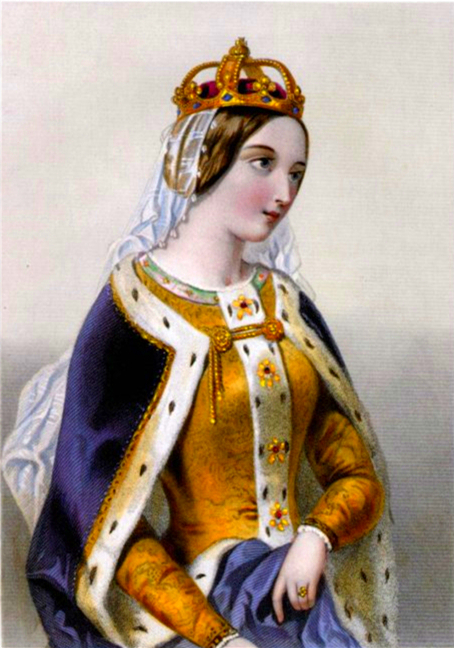
Catherine of Valois

Catherine of Valois

Catherine being the youngest child was probably the most neglected. She faced many challenges due to her father’s madness. Her mother’s lack of interest also affected her life, so she certainly did not live the life of a pampered fairy tale princess. Catherine did spend some of her young life growing up at Poissy Convent which was the basis for her religious education. Catherine was raised understanding that she would be merely a pawn when it came who her future husband would be. There had been negotiations since she was fairly young regarding a possible marriage to the future king of England, Henry V.

I believe that like most young princesses of Europe, she hoped for love and a family with her husband. Yet, her marriage would be to whichever member of European royalty was most beneficial to France.
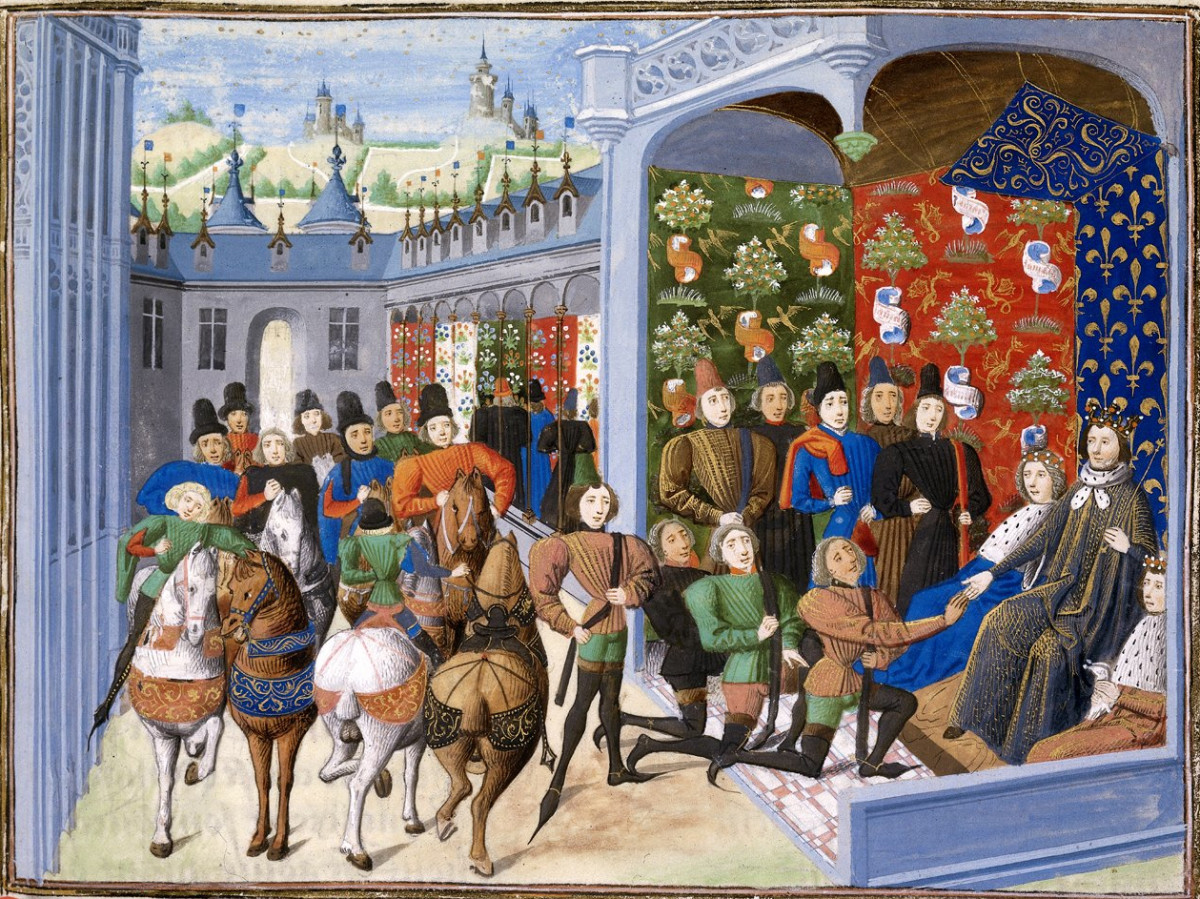
Signing the Treaty for Catherine and Henry's Marriage—Isabeau of Bavaria and Charles VI at the Treaty of Troyes
Signing the Treaty for Catherine and Henry’s Marriage—Isabeau of Bavaria and Charles VI at the Treaty of Troyes | Source

Peace Through Marriage

King Charles VI reign was filled with war (known as The Hundred Year Wars). One effort at achieving peace was through marriage. Isabelle, Catherine’s older sister was married to England’s King Richard at a mere six years of age. The marriage was never consummated due to her young age and the early death of King Richard in 1400. She was held in England for some time after Richard’s death before she was allowed to return to France.

King Henry V

King Henry was a young man when he was crowned the king of England. For much of his father’s reign, the royal English family fought with France. This conflict came to be known as the “One Hundred Years War”. King Henry V signed a treaty with France on May 21, 1420. In the treaty, he demanded the return of lands that had once belonged to England. This was the Treaty of Troyes which also included Henry’s marriage to the young eighteen-year-old Catherine of Valois. A large dowry was also included in the marriage contracts.
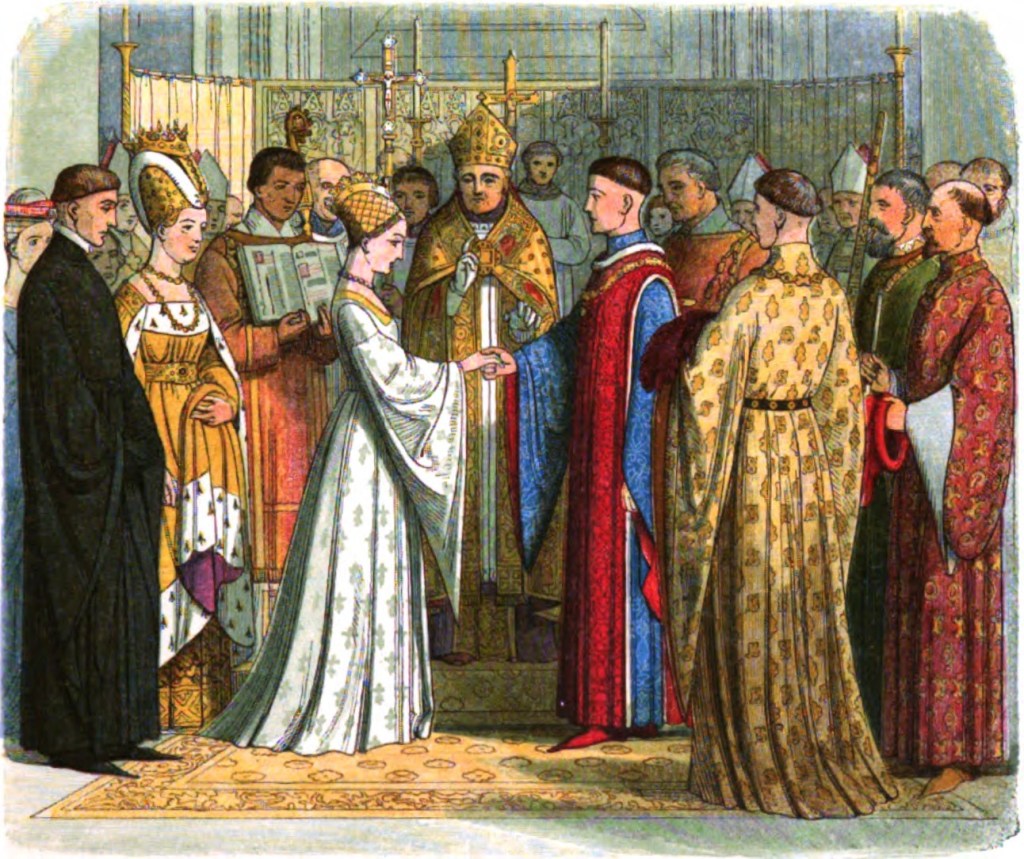
Wedding of King Henvy V and Catherine of Valois

King Henry V and Catherine of Valois were married on June 2, 1420, and Catherine was crowned queen of England in February 1421. The royal couple soon welcomed their only son Henry VI heir to both the English and France thrones. Their marriage proved to be a brief marriage. Henry V died on a battlefield in 1422 leaving a twenty-one-year-old widow and an infant son. Henry VI was only an infant when his father died. His two uncles, the Duke of Gloucester and the Duke of Bedford, controlled the government.

Queen Catherine was sent off to live quietly, at Baynard’s Castle, with only a small household staff. Her brothers-in-laws who were controlling England were concerned that if Catherine were to remarry, any new husband might influence the infant king and they would lose their power over the boy and England.

Forbidden to Love Again

The two dukes and the English parliament had specific ideas on how this young widow should conduct herself. She was also the mother of the boy king Thus they decided how she should be allowed to live her life. Therefore, parliament passed a law that forbade Catherine from establishing romantic relationships and she was forbidden to marry again without parliament’s or her young son’s approval. Any man with a title or lands would lose both his title and his land if he were to marry King Henry V’s widow. No man was willing to take the risk of angering parliament or losing their lands or titles. As her son was only a year old and would not be able to give his consent for years, Catherine’s fate had just been sealed. She would never be allowed to return to France, love again, or have more children to love.

The Queen’s Secret Love

But Catherine was lonely and a very young widow. Catherine was only in her early twenties and wanted to love and marry again. She wanted more children also. However, she was shut away from society in a huge castle with little company other than those who were her servants. She was even deprived of her young son, the future king. Henry had nurses and governesses and was allowed little time with Catherine.

At some time, Catherine met and became involved with a young handsome Welsh gentleman who was in charge of the royal wardrobes. Owen Tudor was in reality a high-ranking Welshman. Thus, the two of them began a secret love affair. Although there seems to be no record of their marriage, and though it was forbidden, Catherine and Owen were secretly married. A marriage that would produce more children for Catherine to love but would also have tragic endings for both Catherine and Owen. When the marriage caught the attention of Parliament, Catherine entered a nunnery and died a short time later. Owen would be captured and imprisoned. Owen eventually escaped prison and served with Catherine’s oldest son King Henry VI but was later captured by the enemies of Henry VI and was beheaded in Hereford marketplace. He was buried in Hereford.

Children of Owen Tudor and Queen Catherine

Owen Tudor an Catherine had several children together but two would play a huge part of English royalty history. Catherine’s oldest son King Henry VI would later make his half brothers and sisters legitimate and bestow them royal titles.

Edmund Tudor 1st Earl of Richmond and father of the future king Henry VII.

Jasper Owen Earl of Pembroke who would help to bring Henry VII the crown of England.

There may have been two daughters and another son named Edward but this is unknown for certain.

Catherine’s grandson would later become king making Catherine the wife of a king, the mother of another king, and the grandmother of the first Tudor king.

References

© 2021 L.M. Hosler
history, History, Women and History, writing

The Untold Stories of Women in Vietnam: A Review

The Women

Written by Kristen Hannah

Most of us have either lived through the Vietnam war or had relatives who served in the war. Others have seen movies based on that war. I myself grew up during the sixties and early seventies. I was lucky that none of my brothers were drafted during that era. Two of my brothers had already served and had families so they were not drafted. My other brother was the right age to be drafted but I am not sure how he didn’t get drafted. Maybe it was because he was in college at that time. I also had a brother-in-law who was stationed in Germany and managed to avoid the war in Vietnam.

Many of our young men were drafted and served in Vietnam. Thousands and thousands were killed in that war. But there was little to no mention of the women who served in Vietnam. The nurses, doctors, red cross women and many others all served their country in Vietnam. But those women were not considered to have seen combat.

That is what the book “The Women” is about. It’s about women who served as nurses in Vietnam. It’s particularly about one woman who joins the Army Nurses Corps. Her brother had been given a party in his honor before he left for the war. Frances (Frankie) had always been extremely close to her brother. She considered him her best friend. Frankie decided she would join as a nurse. After being turned down with the Navy and the Air Force, she signed up with the Army Nurses. Ironically, her brother is killed before she leaves and she is devastated by the loss of her brother. Frankie’s enlistment causes a strain with her family. She was raised to get married and have children. She was not raised to go off to war.

Women’s Memorial Honoring Women Who Served In Vietnam

Frankie experiences things she would never have dreamed as a sheltered young lady. But she soon adapts as well as she can, forms close friendships with other nurses and even falls in love. But in wartime, friendships may last a lifetime but love can be a short lived thing as she finds out.

After doing two tours in Vietnam, she returns home. The country is protesting the war. Veterans are not welcomed. She finds that people including her parents don’t want to talk about the war or her service in the war. Frankie finds that fitting in anywhere after the war is almost impossible for her.

This book details Frankie’s struggles to adjust in the world after the war. She finds it difficult to understand why women are not considered war veterans. Women, like the men she helped to save, also played significant roles. In fact, it was often said that no women ever served in the Vietnam war and many people believed this.

I really enjoyed this book and highly recommend reading this book. Of course, growing up in the Vietnam era, I knew some of what happened to veterans. I understood how hard it was for them to return to a country that had sent them to war. This country then learned to hate veterans who had fought in this war. They were mistreated and called baby killers. I liked the characters very much. It was very interesting to see Frankie change from a spoiled rich girl to a capable nurse who saved lives.

This book was in my book club and at first I wasn’t certain if I was going to read it. I am just really not very much into the Vietnam era when it comes to books and movies. But this book was different and an awesome book. I truly enjoyed reading this one.

Copyright:

Linda Hosler

July2025

history, History, Uncategorized

Exploring Grisham’s An Innocent Man: A Wrongful Conviction

Great Book And A True Story

John Grishman is a well known author of at last count fifty books. Grishman is an attorney turned crime novelist. Having studied the law and worked in courtrooms, he has an inside knowledge as to how the law works. I have really enjoyed the majority of his books, but I still have several I haven’t read yet. But I did finish his book based on a true story titled “An Innocent Man” written and published in 2006 and I am currently reading his latest novel FRAMED which is an account of ten miscarriages of justice.

An Innocent Man Novel

This novel is the story of the life long struggles of a young man who almost died on death row before having his name cleared and regaining his freedom. It’s the story of a young man with a promising future in major league baseball who ends up on death row.

The story starts with Ron Williamson as a young boy exploring his athletic skills not only in baseball but other sports as well. It then moves to his career in the baseball minors teams and his realization that he has an injury that will never let him move to major league baseball.

After losing his dream of becoming a major league ball player, Ron’s life gradually begins to decline until he and a close friend are arrested for the murder of Debra Sue Carter. With no real evidence other than jail house snitches Ron is convicted and sentenced to death row. This takes place in the courts of a small county in Oklahoma where Ron is not the only victim of a very bad police investigation. There are several others who are wrongfully convicted and may still be serving time.

Justice Denied

Ron Williamson and his lawyers filed every appeal possible but all were denied until the Innocent Project took his case and eventually after eleven years Ron Williamson finally walked out of prison as a free man.

This was an awesome book in regards to how anyone can end up charged and convicted of something they had nothing to do with. A few parts of the story such as the different trials were a bit dry but other than that I would recommend reading any of John Grisham’s books. I personally was appalled at some of the law enforcement tactics which led to not only Ron Williamson’s conviction but other victims of the system.

history, History, Uncategorized

The Tragic Johnstown Flood of 1889: A Historical Overview

Johnstown, PA

Johnstown, PA, is a small town in Cambria County in the southwestern area of the state. Pittsburgh is about seventy miles to the east of Johnstown, which lies in a small valley of the Laurel Mountains. Pittsburgh and nearby Johnstown were once booming steel towns.

A Day Starts Like Any Other Day In Johnstown, Pa

On May 31, 1889, heavy rains had been falling, and as the people of Johnstown rose and went about their daily lives, they had no idea that by that afternoon, their small town would be hit with twenty million tons of water, which reached nearly thirty-seven feet high.

As many as twenty-two thousand would lose their lives and properties. The flood that was about to hit them would devastate their small town and their families and leave behind millions of dollars of damage.

A Dam Built for Canals

It all started in 1852, when the state of Pennsylvania built a huge water reservoir about eight miles east of Johnstown. The dam was built in connection with the Pennsylvania canal system, but within a few years, railroads became the more modern way of shipping, and the canal system became obsolete. In 1863, the canal which had connected Johnstown and Blairsville was shut down, eliminating any further use of the water reservoir.

The dam sat there with very little maintenance, and one portion began to erode in 1862, just ten years after the dam had been built. What repairs were done were done using inferior materials to fix holes and leaks. The workmanship was also done in a sloppy manner.

Rich Business Men Buy The Dam

The dam was first sold to the Pennsylvania Railroad as trains at that time ran on steam, so this was a good place for a water stop. In 1875, a one-term Pennsylvania congressman named John Reilly bought the dam and surrounding areas for $2500.

In 1879, Reilly resold the dam to a real estate salesman named Benjamin Ruff, who intended to turn the reservoir into a lake and a resort for the wealthy. He became the first president of an exclusive club known as the South Fork Fishing and Hunting Club. This club’s members would include wealthy doctors, dentists, lawyers and rich businessmen such as Andrew Carnegie and Henry Frick.

After a busy week in nearby Pittsburg, these gentlemen and their families could take the train and enjoy a weekend of relaxing at a private resort area. Some cottages and cabins were built, as well as a gentlemen’s clubhouse.

Lack of Oversight and Management

When Benjamin Ruff and the South Fork Fishing and Hunting Club took over the dam, they did attempt to do much-needed repairs on the dam. However, the repairs needed were probably much more extensive than Mr. Ruff and the South Fork Fishing and Hunting Club had anticipated, and I would guess that some of those repairs were put on hold.

The club also installed fish screens which, due to the heavy rains, ended up catching debris and forcing the water over the top of the dam. So basically, the heavy rains on May 31, 1889, combined with the lack of proper repairs and maintenance, were the culprits of the Johnstown Flood in 1889.

The Monster Flood Roars Toward Johnstown, PA

The heavy rains on May 31, 1899, put too much strain on the dam, and that afternoon workers at the dam saw that it was not going to hold the water back. Telegrams were sent to the small communities and to Johnstown. Most people paid little attention to the flood warnings, while others did move their belongings to second stories. None had any idea of the monster that was about to hit their small town and take their homes and lives.

At sometime around three o’clock in the afternoon, the dam gave way and the water came roaring furiously down into Johnstown. It was a roaring wall of water that took everything in its path. Houses, animals, cars, railroad cars and humans, the water showed no mercy. Thousands were trapped with no way out. Some were swept away, while others were caught in the tangled mess of houses, trees, and debris that backed up at the Stone Bridge.

For some reason, this debris at the bridge ignited and killed the people who had been clinging to wood boards or whatever they could manage to hang on to.

Relief Efforts

Just like today, when disasters of this nature strikes, Americans rally for each other and the flood of 1889 was no exception. Donations, volunteers and help came pouring in from all over the United States. Donations came from major cities in the United States such as Boston, Cincinnati and donations came from overseas as well. Money came from other countries such as London, Ireland and from Australia and there were numerous donations from many other places. Various businesses donated materials to help rebuild homes and shelters for those who had lost their homes.

Clara Barton arrived within days of the flood, and along with her American Red Cross organization set up headquarters in one of the few buildings that had survived the flood. Here the Red Cross sat up regular food areas to feed the homeless. Clothing areas were set up to distribute needed shoes, clothing, blankets and personal care items. This was one of the first biggest disasters to hit in America with such force that it proved to be training for disasters that would occur in the future. Lessons learned during the Johnstown flood of 1889, have carried over to modern day disasters.

Clara Barton set up headquarters in Johnstown, PA, after the historic flood of 1889.

Andrew Carnegie Library

Andrew Carnegie was one of the richest members of the South Fork Fishing and Hunting Club although it is thought that he spent very little time there. Carnegie was also well known as a kind and generous man.

Shortly after the flood he visited Johnstown and donated $10,000 toward building a library there. More money was later needed to finish building the library and Carnegie donated an additional $45,000 toward its completion.

The Cambria Public Library built in Johnstown with donations from Andrew Carnegie

A Flood for the History Books

The Johnstown Flood was an historical event that people still talk about today. Stories and pictures of the flood have been preserved and handed down to new generations. There are still different theories of just who or what was responsible for such a horrific event that caused so much damage and took so many lives, many of them children. Johnstown has an interesting museum dedicated to the flood where the history of the Johnstown Flood is kept alive. The museum features a short film about the flood. After the flood, there were very tiny homes brought into Johnstown, much like FEMA trailers today, for families who had lost their homes. One of these tiny homes is also part of the museum.

The South Fork Hunting and Fishing Club and some of its members were sued in court but were never held responsible. Today life goes on in Johnstown, PA, and the town has been rebuilt but the memories and stories live on.

Johnstown has come back from the famous flood of 1889. This is a photo of Johnstown in November of 2020. Photo Credit L.M. Hosler
Copyright L.M. Hosler 2019

history, History, Uncategorized, Women and History

The Inspiring Life of Nellie Bly: Pioneering Female Journalist

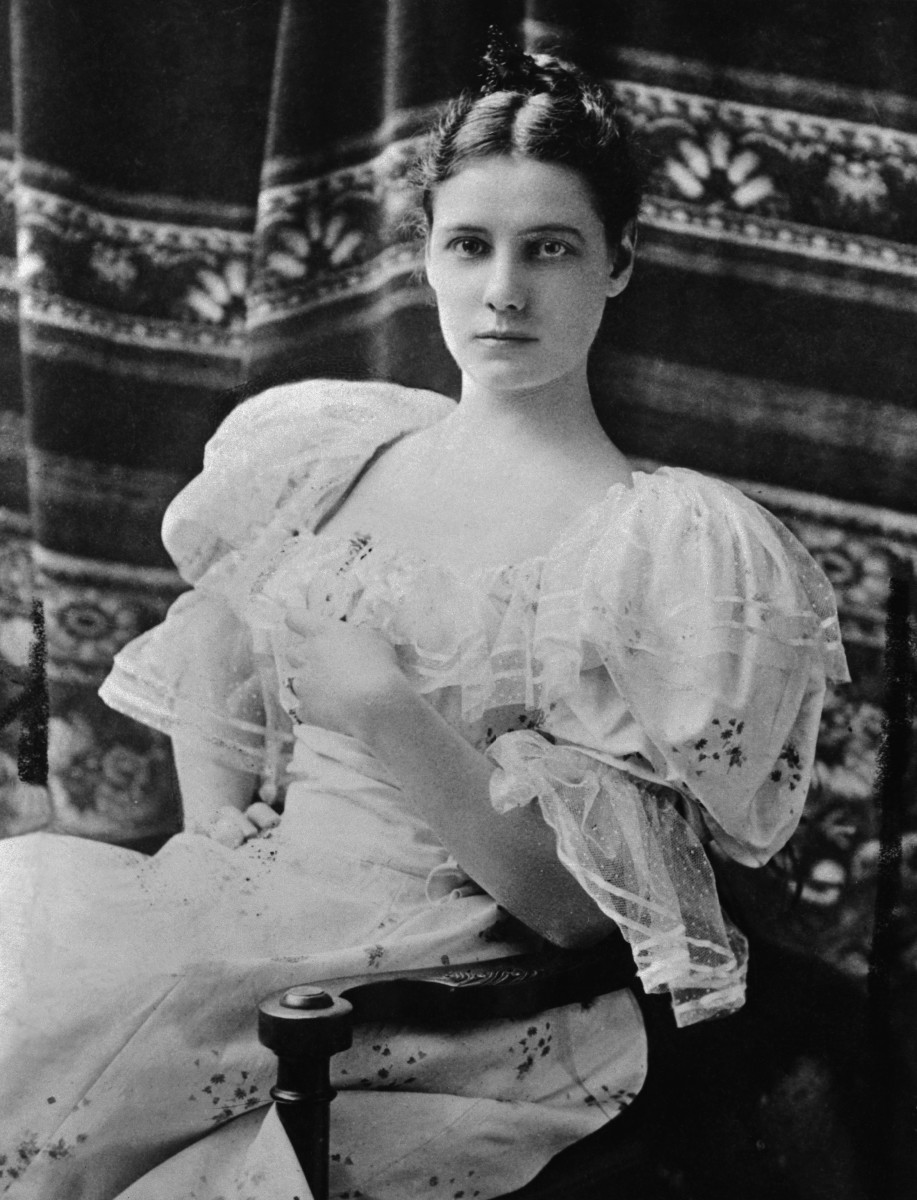
Elizabeth Cochran Better Know as Nellie Bly

Nellie Bly at twenty one years old while working as a foreign journalist in Mexico

Nellie Bly Early Years

Nellie Bly was born in 1864 in Cochran Mills, Pennsylvania at a time when women were expected to stay at home, have babies, take care of their men and be happy doing that. Women had very few rights at that time, little education and they rarely had good career choices. Nellie was born into a large family of fifteen. Her father had ten children before he married Nellie’s mother, who then gave birth to another five children. Nellie was named Elizabeth Jane but was also nicknamed “Pink or Pinky”. Later when she began her career as a newspaper woman, she changed her name to Nellie Bly as her pen name. Nellie’s father died when she was six years old and the family fell into hard times. Her mother remarried but it is said that her new husband was abusive. Sometime later her mother divorced the stepfather leaving Nellie and her mother to support the family by operating a boarding house just outside of Pittsburgh.

Nellie had wanted to become a teacher and briefly attended the Indiana Normal School, now know as Indiana University of Pennsylvania. However, the family’s finances forced her to give up her teaching dream. It was at this time that Nellie left school to help her mother run the boarding house but she still had dreams of what she wanted to do with her own life.

Nellie Begins Her Career as a Reporter

Nellie began her career as a writer and reporter in 1885 at the Pittsburgh Dispatch newspaper. She had written an angry letter to the paper’s editor in response to an article that she felt disrespected young girls and women. After reading Nellie’s letter, the editor offered her a job working for the paper. Very few women were ever offered opportunities like this and Nellie quickly accepted the offer. She was generally given assignments that were considered of interest to women. Here Nellie could give a voice to issues that concerned women such as poor women who had to support themselves as well as the working conditions these women found themselves in. Of course, some of her articles didn’t sit well with the business class and this was the reason she was reassigned to writing just for the women’s page such as society news. Nellie soon grew tired of these boring assignments and wanted more of a challenge. She found her challenge by going to Mexico as a foreign correspondent for the paper where she spent several months writing about the lives and conditions she found in Mexico. After a few months however, she drew the displeasure of the Mexican dictator Porfirio Diaz when she wrote articles critical of his leadership and government. Nellie was forced to leave the country but later she published her book “Six Months in Mexico”. It seems Nellie’s honesty as a reporter was not always appreciated and tended to get her into trouble.

Nellie Exposes the Insane Asylum Blackwell Island

In 1887 Nellie decided it was time to move to New York where she took a job at The New York World paper as a reporter. Her first real assignment with the New York World paper was to go undercover as an insane girl to the Blackwell Island mental institute. How many of us would willing have ourselves committed to an insane asylum? Not very many of us I am sure. Here she spent ten days living locked up with insane women. She saw and experienced everything that a truly insane person would experience. As a result, she wrote a series of articles exposing the mental health facility and she was able to bring about awareness for the mentally insane and instigate an investigation into Blackwell Island. This brought about much needed reforms for mental health institutions. Her story of her time in the mad house later became the movie, “Ten Days in a Mad House”. It was an awesome movie but I believe it was rather dramatized as they tend to do with movies.

Some of the reforms that were brought about by Nellie’s daring venture into Blackwell Island institute for the mentally insane included:

  • Better food for the patients
  • Better health care
  • Warmer clothing and more blankets
  • More oversight into the doctors and nurses treatment of the patients
  • Warm baths instead of icy cold baths
  • Cleaner clothing, towels and personal care items

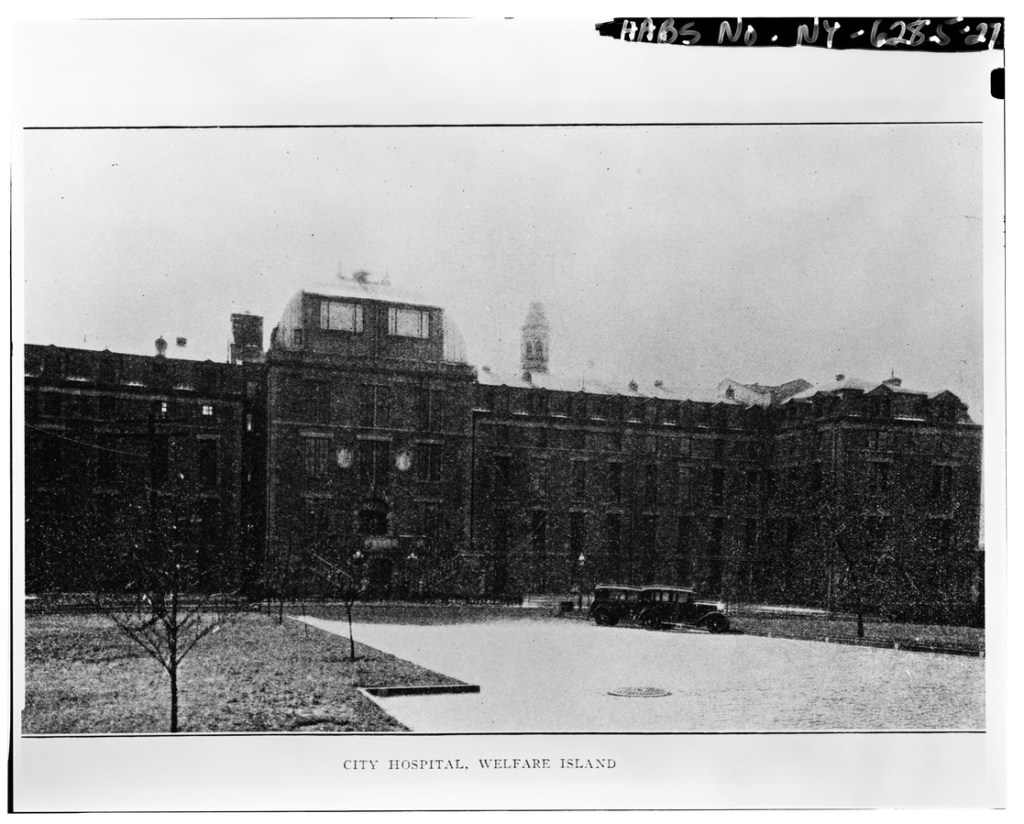
Blackwell Island for the Mentally Insane Asylum

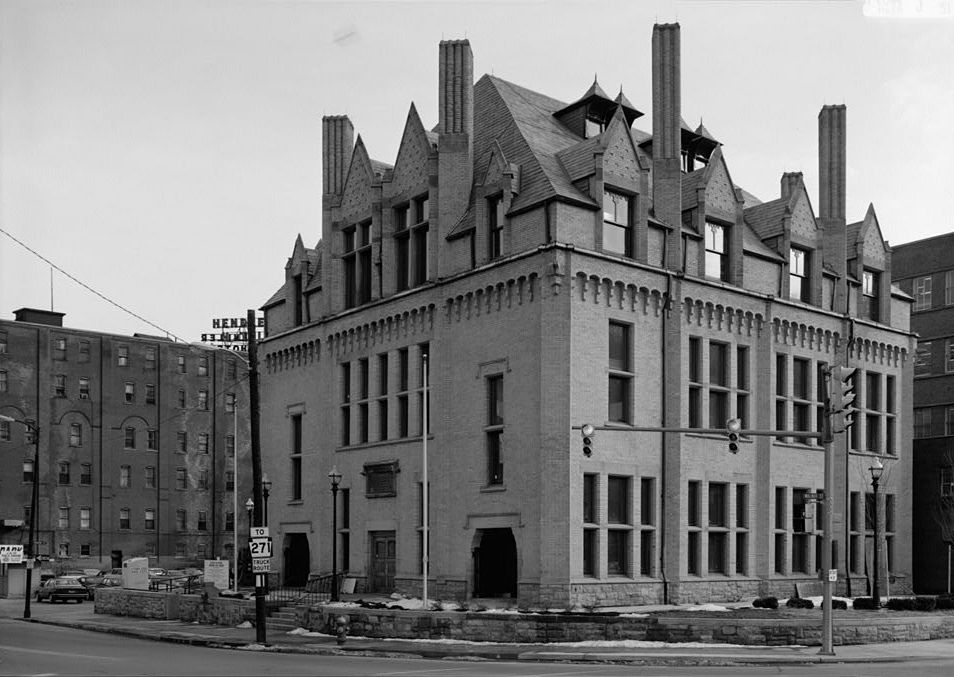
The Blackwell Mental Institute for the insane where Nellie Byl spent confined for ten days

Nellie Travels the World in Seventy Two Days

Nellie also had the opportunity to travel around the world to beat the previous fictional world record of eighty days. When Nellie brought up the idea of beating the old record her editor told her it wasn’t a job for a female so Nellie challenged him to send both her and a man at the same time. Her editor gave her the assignment. She left Hoboken, New Jersey on Nov 14th, 1889 by ship, traveling to London. From London she took trains to Paris and throughout Europe. From there she traveled to Egypt then on to the Suez Canal then headed towards Middle Eastern countries. From there, she next journeyed through Asian countries and into Japan. From Japan she headed home to San Francisco, Ca. Her journey consisted mostly of travel by trains and ocean liners but there are also reports of various other means of transportation such as horses and Asia rickshaws. Nellie completed her journey in record time with a total of twenty one seven hundred and 40 miles in seventy days, six hours and eleven minutes. I am not sure Nellie was aware at the time she began her journey that the Cosmopolitan magazine was also sending another female reporter, Elizabeth Bisland, on the same mission.

During those seventy two days as Nellie traveled the world, the editor of The New York World used her trip to drive up circulation of the newspaper. Nellie would send dispatches to the paper on where she was every day. The newspaper sponsored a contest offering a prize of a trip to the person who made the most accurate guess as to how long her trip would take.

Upon her return arrival in San Francisco on Jan 25th 1890 Nellie was greeted with crowds of admirers and was given a special train to make her trip back to New York. When she arrived in New York she was honored with parades, brass bands and fireworks to celebrate her victory and safe return. She later wrote her book titled “Around the World in Seventy Two Days”.

Nellie’s Many Accomplishments

Nellie Bly was certainly a woman ahead of her time. In a time when women were looked on as nothing more than a wife, mother, housekeeper and laundress, she blazed a path of her own. In 1895 Nellie married Robert Livingston a man quite a bit older than her. After his death, Nellie wrote numerous articles covering the women’s suffrage movement. Her words and her stories were a powerful tool for women everywhere. Nellie also covered the First World War reporting from the Eastern front lines. Nellie received numerous awards for her work throughout her lifetime and she certainly left her mark on the journalist world. In 1998 Nellie Bly was indicted into the National Women’s Hall of Fame.

Nellie Bly was a leader whose work influenced women’s lives in many ways. Her early work exposed factories and influenced changes in safety. She became a role model for young women who dreamed of becoming something more than a wife and mother.

Copyright  2019 L.M. Hosler

history, History, Women and History

Royal Fairy Tale Weddings: Royal Scandals

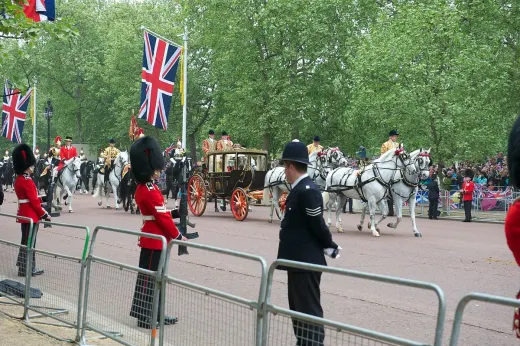
The Queen Arrives at Royal Wedding

The Queen of England arrives by carriage at a royal wedding.

Times Have Changed Attitudes About Royal Marriage and Divorce

At one time, divorce was not an option to even be considered for the royal British family. It was almost impossible to obtain a divorce among the royal class. But over the years there were some exceptions, probably beginning with King Henry VII and his six wives. In his case, he did manage to divorce his first wife. The other wives had less fortunate endings. But divorce among the royalty was still considered taboo and likewise, they were not allowed to marry a person who was divorced. King Edward VIII gave up the throne to be able to marry the twice divorced Wally Simpson. Things began to change during the reign of Queen Elizabeth II. Her sister and three of her children’s fairy tale weddings ended in divorce. Just recently Prince Charles the heir to the British throne and his son Prince Harry have both been allowed to marry divorced women. It is looking very likely that the fairy tale wedding of Prince Harry and Meghan Markle will quite likely end in another royal scandal. As a matter of fact, this royal fairy tale has already become a major scandal for the British monarchy.

The Prince and Princess of Wales

Prince Charles and Princess Diana marriage begins to crack.

Not long after Prince Harry was born, things began to deteriorate between the young couple. Charles had done his royal duty and produced an heir and a spare heir. By 1986, rumors began that Prince Charles was rekindling his old romance with Camilla Parker Bowles. Then the rumors began about Princess Diana and other men. How much was true may never be fully known, but we do know for certain that Prince Charles did have an affair with Camilla Parker Bowles, and he did marry her several years after Diana’s death. The fairy tale had become a rocky road. In February of 1989, Princess Diana had an occasion to confront Camilla and let her know that she knew what was going on behind her back. By 1990, the marriage was on very shaky ground and at some point, Prince Charles admitted his affair with Camilla Parker Bowles. Diane famously said that there were three people in their marriage.

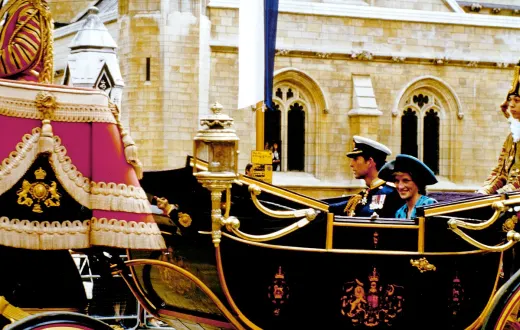
Prince Charles and Princess Diana arrive by carriage to Prince Andrews wedding

Princess Margaret the Queen’s Rebellious Sister

Princess Margaret had a reputation for being a rebellious royal. When she was very young and quite beautiful, she fell in love with Captain Townsend. The two privately planned on being married but the captain who was divorced was not considered a good match for Margaret. He was not of noble birth but even worse he was a divorced man which was not acceptable at that time. Margaret at that time needed both the permission of her sister, the Queen Elizabeth, and parliament to marry Captain Townsend. Privately, her sister would have granted her permission but it was well known that parliament would not give their consent. Eventually Captain Townsend and Margaret called off their romance.

On May 6, 1960, Princess Margaret married a thirty year old photographer and commoner, Anthony Armstrong Jones. It was a lavish fairy tale wedding with thousands of guests, royals and heads of states from other countries. It was also watched by millions around the world on national television. On November 3, 1961, their first child David arrived followed by a sister, Sarah on May 1, 1964. Upon the arrival of the children, it was decided that Anthony Armstrong Jones needed to be given a royal title for the sake of the children. He was given the title of Earl of Snowden and his son the title of Viscount Linley. A few years after the birth of the children, the marriage began to sour. The couple loved partying which ended up involving affairs, drugs and alcohol, all the aspects of the modern 1960s. The two separated and on July 11th 1978, after eighteen years of marriage the fairy tale ended in divorce. Princess Margaret twenty years earlier could not marry a divorced man but 1960s changed attitudes so by 1978 divorce among the royals was not quite so scandalous.

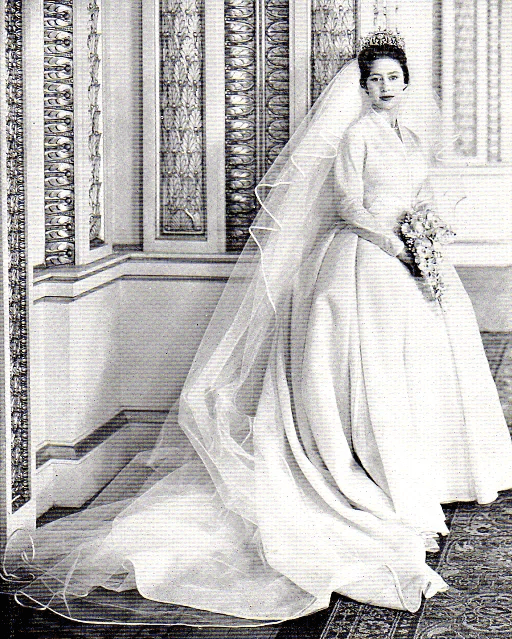
Princess Margaret in her Wedding Dress

Prince Andrew and Sarah Ferguson

Prince Andrew was formally introduced to Sarah Ferguson at a party given by Princess Diana. They immediately hit it off with Prince Andrew falling for the fiery red haired beauty. On March 18th 1986, they announced their engagement. On July 23, 1986, they were married at Westminster Abbey where many of the royal family have been married.

Almost from the start, theirs was a rocky road. Prince Andrew’s position in the Royal Navy kept him from home for long periods of time for the first five years of their marriage. Sarah or (Fergie) as she was known had deep security issues relating back to being abandoned by her mother at an early age. The couple did have two daughters, Beatrice and Eugenie. Sarah was perhaps never fully supported by the royal family. She didn’t fit the royal mold and was bold and outgoing. At any rate, the marriage floundered and the Duke and Duchess of York announced their separation in 1992 and were divorced in May of 1996. Along the way there were scandals and other relationships as was the case in most of the other royal fairy tales. However, their story may yet have a happy ending. Prince Andrew and Sarah have always remained close friends and both were very involved in the raising of their two daughters. It seems that today they live together and there are rumors that the two may remarry someday. Let’s hope that this royal fairy tales ends like fairy tales are supposed to end and they live the rest of their lives happily as fairy tales are meant to end.

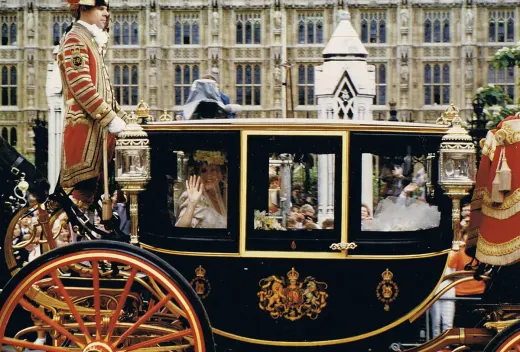
Sarah Ferguson on Her Wedding Day

The scandal That Splits The Royal Family

The latest royal scandal is still brewing. This one involves the Duke and Duchess of Sussex, the former Prince Harry and his bride Meghan Markle an American Hollywood actress. The couple married on May 19, 2018. Their son Archie was born the following year on May 6, 2019. In January 2020, they made headlines around the world with their decision to leave the British royal family and move to Canada.

Some Fairy Tales End Happily

Everyone, including me loves a fairy tale. When we see a young beautiful prince or princess marry in a huge fairy tale wedding complete with beautiful white dresses, horse drawn carriages, famous and titled guests, we can’t help but still believe in fairy tales like Cinderella, Snow White and Beauty and the Beast and happy endings. After all, some of the royal family such as Queen Elizabeth II and Prince Phillip and Queen Victoria and Prince Albert somehow managed to live out their fairy tale.

Copyright Linda Hosler March 10, 2014

history, History, writing

Advice on Beating Writer’s Block

The Frustration of writer’s block

Some days it seems like ideas for writing just flow through your fingers and onto paper. But then along comes the dark days when nothing you write seems to be right and there seems to be no new ideas. Writer’s block is seen as a condition where creativity is blocked, frustration and irritation tends to set in. Writer’s block occurs when the writer wants to write but can’t seem to find the right ideas and words. Some writers suffer from writer’s block after having a story or book rejected or criticized. I have read that even well known authors suffer from writer’s block at times. What can a writer do to help get back on track and beat writer’s block? I know from experience that getting rejected or not being able to make money by writing that many of us including myself, tend to get discouraged and put our writing on the back burner to pursue other avenues. Certainly not the right thing to do, but it happens. So how do we get back on track and beat writer’s block?

Stories Are Out There Waiting for Us to Write

You have probably already heard the great advice, that says you should write about what you know. This may be very true, but writer’s generally write about just about anything. Whatever their passion is they will write about it. Some writers write books while others are content to write short stories, poetry or articles. What is your passion? Write about that.

  • Romance: My favorite and a big seller
  • Family
  • Your own personal stories
  • Science Fiction if you have a great imagination
  • Social Issues: Writing about something you feel strongly about can change our world
  • Sports are a big part of our lives and so much to write about
  • Politics are exciting to write about and can influence other people’s opinions
  • News is always happening around us every day. In our own communities and around the world
  • Science and history: I personally love history and always have so this is my niche. Science not so much for me.
  • News articles about current events

Stories are everywhere just waiting for the right writer to put the words down on paper. That writer could be you.

Romantic Stories Ideas

Love stories are very popular. Who doesn’t love a good love story with a happy ending or maybe a not so happy ending because not all love stories have happy endings.

  • Love stories are all around us. Ask some older couples who have been married a long time how they met and they will be happy to give you a great story
  • Or how about a man or a woman who travels back in time torn between two loves
  • Another great story idea is two people in love with each other but live miles apart but can’t seem to find a solution to be together
  • How about a story on celebrities couples who have survived a long turbulent relationship
  • Tell your own love story good or bad

History is Full of Great Stories

  • Write fiction stories based on historical events and people
  • Write nonfiction on real characters and events
  • Write your family history. Did a family member serve in one of the wars? I just recently started searching my family history and found several interesting relatives that with some imagination should make for interesting stories
  • Veterans are a great source of information and stories of their experiences serving our country
  • I often research old newspapers for some ideas about people and events that may make interesting fiction. Just be sure to change names and other identifying personal facts unless you have the written permission of the parties involved.

Ideas Right in Your Own Backyard

  • Gather some odd or old items like old pictures, jewelry, clothing, games or old letters and create a story combing all those items.
  • Look out your window to see what the neighbors are doing (be nosy)
  • Take a walk through a park and watch people and make up stories about how those people are related and what they are doing. What’s the story of the older couple sitting on the park bench? Go talk to them.
  • Has someone in your life inspired you to become a writer? Write about who that was and how they influenced your writing.
  • Talk with some disabled people and write about how their disability affects their lives and their family’s lives. Maybe volunteer to help someone who is disabled.
  • Invite the neighbors for a cookout and just sit back and listen to some of the stories which you will hear.
  • Imagine that you have inherited an old house that is filled with old documents and personal papers.
  • Imagine that you find something that affects your life. Or maybe you find old stocks and bonds that are worth a fortune. What will you do with all that money
Your Own Personal Life

While I feel that my life has been way too boring to write much about there have been some tough times and decisions, I have had to make that I am currently writing about. For example, years ago I wrote an article about going through a divorce and how it affected me and how I worried about how my children were going to affected by the divorce. I just now while writing this have come up with a brainstorm. Now years later, I am going to write about just how it did affect my three sons and their lives.

These are just a few ideas and tips to break the writer’s block we all experience at times. But what’s really important is that we get started and don’t stop writing. And the most important advice is to never give up, never quit writing.

What Works for Me

 have recently found some new ways to get creative. First, I joined some writing groups on Facebook and found some new ideas.

One thing I do is look for some ordinary pictures such as a boat washed up on the beach. Then I start describing the area around the boat. Some people are standing in the background, so I make up names and personalities for them. I image these people coming out for a family holiday out on the boat and picnicking on the beach. After a while my story starts to develop. Who are these people, how are they related, what are they doing at the beach? Are they a family or just a group of friends.

Another thing I am doing is to read the obituaries of any newspaper and make a story of that person’s life. I don’t use the names of course. But I can tell a story by their age, marriage or marriages, children, grandchildren. If they were in a branch of the service, or what organizations they belonged to such as churches, or if they were a teacher. Again, a story begins to develop as you write. In other words, I model my characters after these people.

I also love watching movies and documentaries which don’t always answer my questions so I begin doing research on my own and the next thing I know a story evolves. I change the names and make it a work of fiction.

These are a few of my ways of beating writers block and they work for me. I hope they may help others to do the same.

Best Tips to Beat Writing Block
  • Have fun and experiment with new things and ideas
  • Keep learning and researching.
  • Go exploring in your local area or travel if you can afford to do that.
  • Read anything and everything.
  • Research through old newspapers (Library of Congress) is a great source.
  • Local newspaper may also provide some inspiration.
  • Get started writing every day and new ideas will start to form.
  • Schedule writing time just like a regular job. Even just sitting down and writing whatever comes to mind. Write those ideas down for future references.
  • Carry a small notebook with you and jot down things you observe that may make a good story or article later.
  • Write about anything that interests you. Don’t limit yourself. Write about times you were happy or had a terrible experience or a life changing experience.
Putting it All Together

In conclusion, most every writer experience writer’s block from time to time. I know I do. I also know that we must all hold ourselves responsible and keep writing even when it’s difficult. Writing is not always easy, but we must not give into the temptation to just throw in the towel. If writing were easy everyone would be doing it. If writing is your passion, then you will keep those fingers flowing over the keyboard and the words filling the pages.

Copyright Linda Hosler April 30, 2023

history, History, Women and History

Mother and Serial Baby Killer Marie Noe

What sort of mother will kill not one but eight of her ten children??

Marie Noe was a young Philadelphia woman who had ten children between 1949 and 1968. Two of those children lived only a short time and died stillborn. Some only lived a short time in the hospital, never making it home. The other eight babies Marie admitted to smothering to death.

Marie was born as Marie Lyddy on Aug 3, 1928, in an area of Philadelphia, Pa. It seems that Marie had been a neglected child who was most likely physically, emotionally and sexually abused as a young child. Marie’s family was certainly a troubled one. And to make matters even worse, Marie contacted scarlet fever which left her with some learning disabilities. She had a very limited education. She most likely only finished the fifth grade. At that time, she started working to earn her keep.

Marie was close to twenty when she married Arthur Noe and he was twenty-seven. Shortly after that the babies started to be born.

  • Ten Babies
  • Richard Allen March 7th, 1949
  • Elizabeth Mary Sept 8, 1950
  • Jacqueline April 23, 1952
  • Arthur Joseph Jr
  • Constance Feb 24, 1958
  • Letita stillborn Aug 24, 1959
  • Mary Lee June 1962
  • Teresa Died in the hospital only hours after her birth
  • Catherine Ellen Dec 3, 1964
  • Arthur Joseph Jr July 1967

Several of these babies spent a few weeks or months in the hospital and seemed healthy. Healthy enough for the doctors to release them to go home. But then dying a few short weeks or days later. Marie was always alone with the baby when they died. But the deaths were all considered to be SID deaths which is (sudden infant death syndrome). After the birth of the second Arthur Joseph JR, Marie was no longer capable of having any more children.

Investigation and Sentencing

In 1999, a newspaper article written by Stephen Fried brought the Noe’s story back into the spotlight. This article triggered an investigation into the deaths of the eight children. That many years later the evidence of course was sketchy. However, Marie Noe was brought in for questioning and eventually confessed to killing four of the children. She was seventy-one years old by that time.

history, History

Telephone History

Early Phones

Alexander Graham Bell in 1876 was the first person to patent a new invention known as the telephone. For many years the Bell telephone company would bear his name. Today in some areas the Bell telephone service is still in existence. Telephones have certainly become quite different from the original first telephones. We have moved from phones that were hard to hear on to smart phones that can function as a small computer that we can carry in our pocket or our purse.

Photos of Alexander Graham Bell as a young man and as an older man.

Some Photos of the Earliest Phones

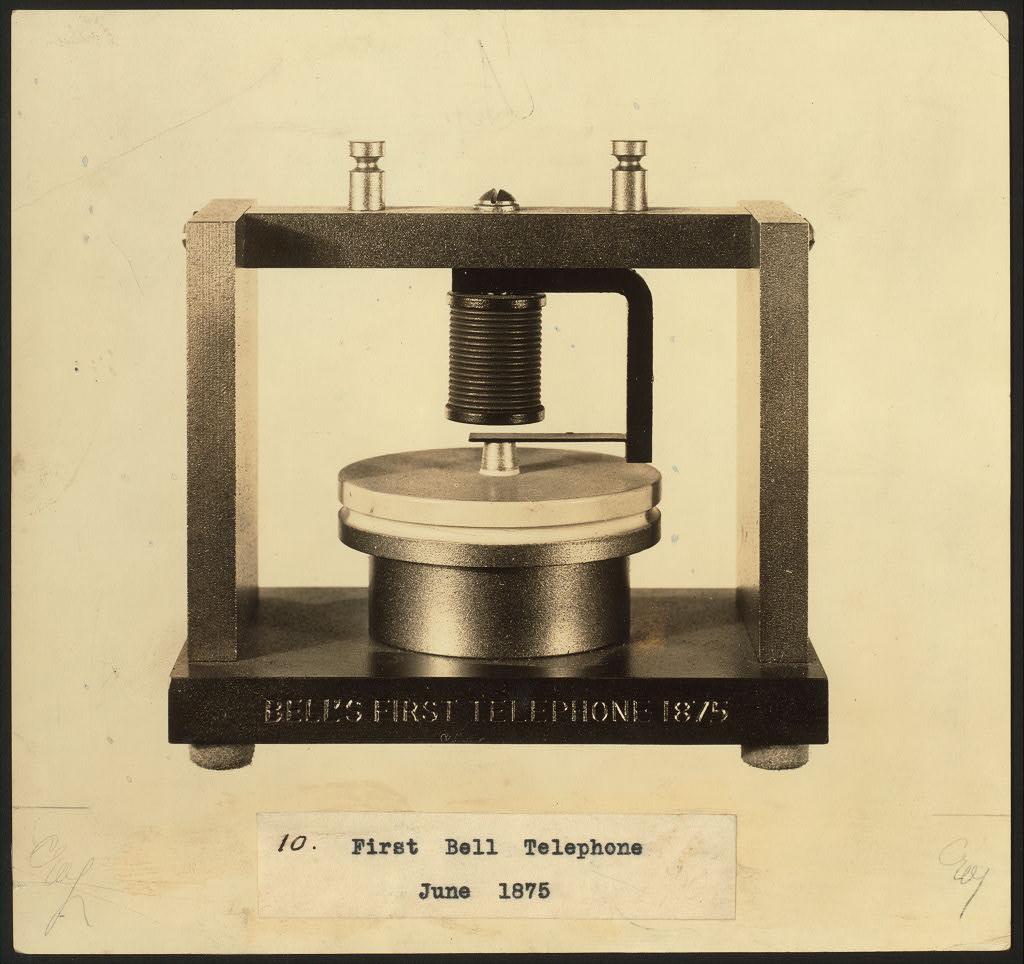
Bell’s First Model 1875

Not sure how this model worked.

Old Antique Crank Telephone

An antique crank phone that can be seen at Buffalo Gap Historic Village, Taylor County, Texas.
Photographer: Carol M. Highsmith

Rotary Desktop Phones

Telephones became more modern and rotary desktop phones became popular. The rotary phone was a phone that had the numbers 1-9 and was designed by Almon Brown Stowger in 1891. One of the popular models in the 1940s was the candlestick phone.

A very old rotary telephone
A fancy white desktop rotary phone.

Moving Forward to Smart Phones

Today almost everyone including children carry what is called a smart phone with them at all times. These phones are very convenient to stay in constant touch with family and friends. I was extremely glad to have my phone with me when I hit a pothole in the pouring rain one night. It allowed me to call for help while remaining inside my car. These portable phones are a great help in times of emergencies.

Smart cells phones are an essential part of our society. Parents can stay in contact with their children easily and know where their children are. Of course, there are also safety issues with teenagers going online with strangers who may cause them great harm. There are also many questionable sites that are not suitable for children of any age to be using. But smart phones are here to stay. They have good and bad uses depending on the way they are used. In the picture below we see students with their phones in school. It makes you wonder what will be coming next.

Today, almost every student has a cell phone with them.

History

Mormon Handcart Story: The Thirteen Hundred Mile Journey of Faith

They Left It All Behind

Would you be willing to leave your home country, your family, friends and everything you are familiar with to follow your faith? Would you sell everything you own to take a ship to a new country without knowing what might lie ahead of you? Relying only on faith, could you walk thirteen hundred miles in extreme heat, rain and freezing snow while pushing and pulling a heavy cart up steep mountains and across raging, freezing rivers? As you watched your fellow brothers and sisters fall sick and die along the way, do you think your faith might falter along the way?

This is exactly what an estimated fifteen hundred Mormon saints did in the year 1856. In 1856 the Mormons had sent missionaries to several European countries and converted thousands to the Mormon faith. Brigham Young, a dynamic Mormon church leader encouraged these converts to immigrate to the United States to an area in the Salt Lake City Territory. Here they were promised life would be better than Europe.

The problem was that many of the new converts were also too poor to meet the expenses necessary to pay for the entire journey. Expenses included the cost of passage on a ship to America, then taking the railroad to Iowa, then buying a covered wagon with a good team of oxen, as well as provisions along the way. Attempting to cut expenses to make it more affordable, Brigham Young and the Mormon Church had come up with the handcart companies.

This would allow the converts to make it to Iowa where they would be outfitted with a handcart which they would each be allowed to take seventeen pounds of bedding, clothing and a few personal items. Each company would have close to five hundred members and experienced leaders would lead each company west to Salt Lake City. Several covered wagons and teams of oxen would carry provisions and would carry those who became sick or were too old or injured.

Handcart Regulations

  1. One family for each cart
  2. Up to five people were assigned to a cart
  3. Each person was allowed a total of seventeen pounds

Tents which held twenty people and provisions were carried on wagons with teams of oxen

The Test Of Faith Begins

Several handcart companies with hundreds of converts left Europe and made it to Iowa early enough that even with the hardships of the trail, the first companies made it safely to their new home in the Salt Lake Valley. However, two of the later companies were not as fortunate.

The Willie Company left Liverpool, England in mid May and would not reach the New York Harbor until Mid June. As they approached the New York Harbor there was much rejoicing, excitement and giving of thanks for a safe journey. During the trip, there had been a few deaths, births and a wedding or two. In general though, the saints were in good spirits and they spent a lot of their time on board in worship meetings and prayer.

After landing in New York they were allowed a few days of rest before they would proceed by train through the state of New York to Lake Erie. A steamboat would carry the converts across the lake, where they would board trains to take them as far as Iowa City, Iowa.

The Willie Company left Iowa City in Mid July and the Martin Company left almost two weeks later close to the end of July. It would be a four month trip and both companies were getting a late start. By the time they made it to Wyoming, it was possible they could encounter early winter weather.

The Journey Becomes A Disaster

In Iowa City, the immigrants were awaken by the sound of the bugle calling them to worship services after which time the handcarts lined up and they started one of the longest walks in history. They left Iowa City in high spirits, singing songs of praise and full of hope for their new destiny, having no real idea of what horrors and trials might lay ahead of them.

In July, they suffered through the intense heat of the summer each day and managed to walk between twelve and twenty miles a day depending on the trail conditions. They stopped only for brief periods for lunch and camped each evening along a creek or river so there was water for the saints as well as the livestock. As the days wore on, the elderly began to take sick and die along the way. Few of the elderly would live to see their new homeland. They would be buried along the trail.

By early August, they had reached the Missouri River and by mid to late August they had reached Florence, Nebraska. Here, each company held meetings to discuss whether they should spend the winter in Florence or continue onward to the Salt Lake Valley. Although some, including one of the more experienced leaders Levi Savage, voiced the opinion of staying due to the coming onset of winter, pointing out the lack of warm clothing, pregnant women, children and the elderly. However, the saints were anxious to reach their destination and the final decision was made to try to reach Salt Lake City before winter.

Throughout September things went well but in October the weather began to change rapidly and became much colder. Provisions began scare and were rationed. The saints began to lose weight and strength needed to pull their carts. More and more of the elderly and the children became sick and deaths increased almost on a daily basis.

The journey had become a nightmare but through all the terrible hardships the saints held fast to their amazing faith in God that he would deliver them safely to their new homeland.

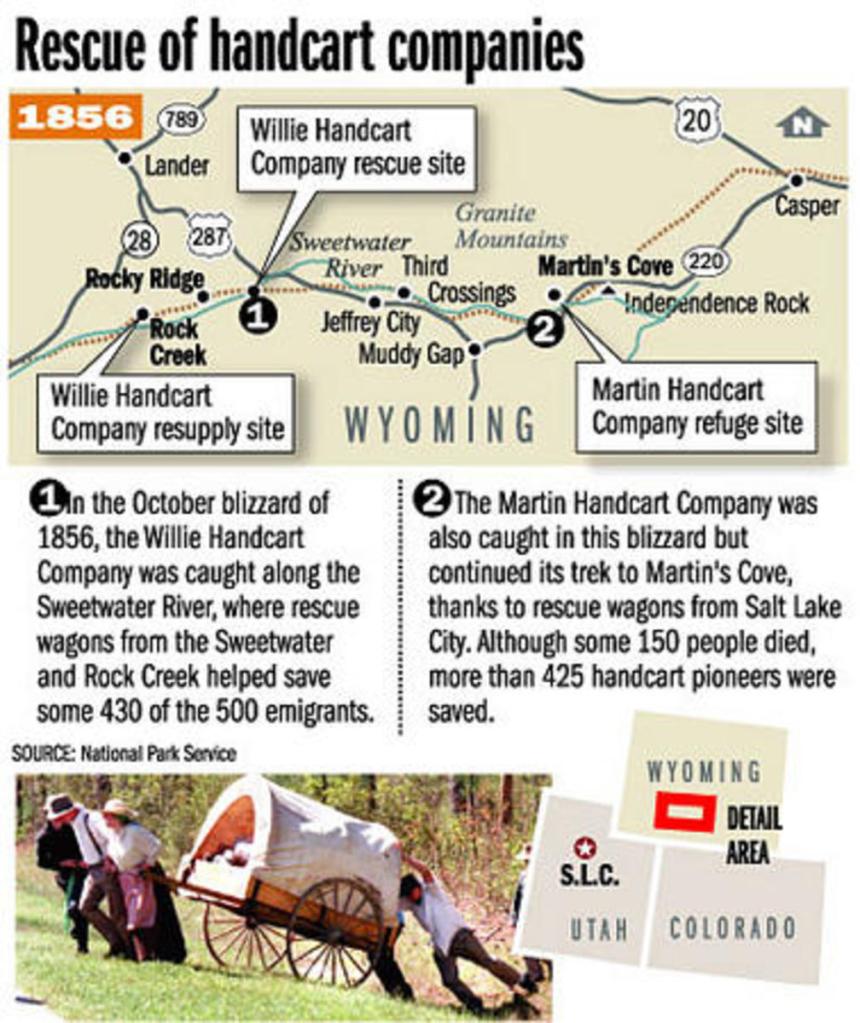
Both the Willie and the Martin companies got caught in October with an early snowstorm. Both companies ran low on supplies and had to ration supplies causing many to die of starvation. They crossed rivers in the freezing cold water and many suffered from frostbite and had limbs amputated. Some simply could not go any further and froze to death.

Rescue of the Mormon Handcarts

The Rescue

At the end of their endurance, rescue teams sent out from the church began to reach both companies but not before both companies had terrible losses. Even with the rescuers arrival, supplies were still limited and the freeing conditions continued to hamper their progress.

Through all the hardships and sorrows one thing endured and that was their faith in God. As one gentleman who survived said: The journey was one of the hardest that anyone would ever experience. However, in spite of everything, the hardships, death and sorrows along the way, the journey had made them one with God because at the end they had nothing else.