

Johnstown, PA
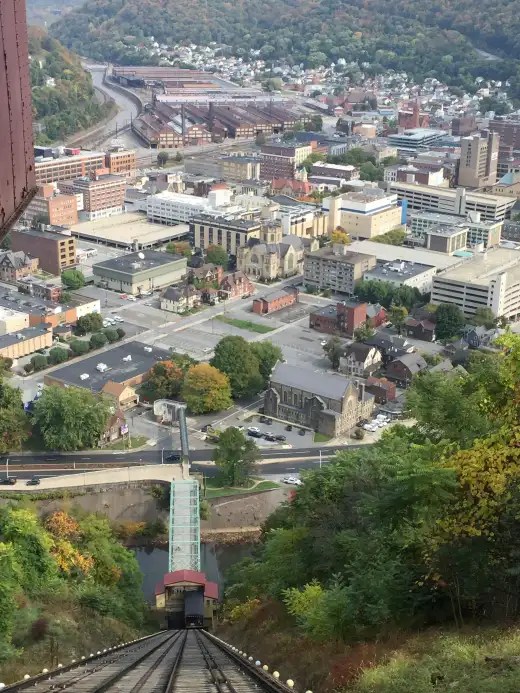
Johnstown, PA, is a small town in Cambria County in the southwestern area of the state. Pittsburgh is about seventy miles to the east of Johnstown, which lies in a small valley of the Laurel Mountains. Pittsburgh and nearby Johnstown were once booming steel towns.
A Day Starts Like Any Other Day In Johnstown, Pa
On May 31, 1889, heavy rains had been falling, and as the people of Johnstown rose and went about their daily lives, they had no idea that by that afternoon, their small town would be hit with twenty million tons of water, which reached nearly thirty-seven feet high.
As many as twenty-two thousand would lose their lives and properties. The flood that was about to hit them would devastate their small town and their families and leave behind millions of dollars of damage.
A Dam Built for Canals
It all started in 1852, when the state of Pennsylvania built a huge water reservoir about eight miles east of Johnstown. The dam was built in connection with the Pennsylvania canal system, but within a few years, railroads became the more modern way of shipping, and the canal system became obsolete. In 1863, the canal which had connected Johnstown and Blairsville was shut down, eliminating any further use of the water reservoir.
The dam sat there with very little maintenance, and one portion began to erode in 1862, just ten years after the dam had been built. What repairs were done were done using inferior materials to fix holes and leaks. The workmanship was also done in a sloppy manner.
Rich Business Men Buy The Dam
The dam was first sold to the Pennsylvania Railroad as trains at that time ran on steam, so this was a good place for a water stop. In 1875, a one-term Pennsylvania congressman named John Reilly bought the dam and surrounding areas for $2500.
In 1879, Reilly resold the dam to a real estate salesman named Benjamin Ruff, who intended to turn the reservoir into a lake and a resort for the wealthy. He became the first president of an exclusive club known as the South Fork Fishing and Hunting Club. This club’s members would include wealthy doctors, dentists, lawyers and rich businessmen such as Andrew Carnegie and Henry Frick.
After a busy week in nearby Pittsburg, these gentlemen and their families could take the train and enjoy a weekend of relaxing at a private resort area. Some cottages and cabins were built, as well as a gentlemen’s clubhouse.
Lack of Oversight and Management
When Benjamin Ruff and the South Fork Fishing and Hunting Club took over the dam, they did attempt to do much-needed repairs on the dam. However, the repairs needed were probably much more extensive than Mr. Ruff and the South Fork Fishing and Hunting Club had anticipated, and I would guess that some of those repairs were put on hold.
The club also installed fish screens which, due to the heavy rains, ended up catching debris and forcing the water over the top of the dam. So basically, the heavy rains on May 31, 1889, combined with the lack of proper repairs and maintenance, were the culprits of the Johnstown Flood in 1889.
The Monster Flood Roars Toward Johnstown, PA
The heavy rains on May 31, 1899, put too much strain on the dam, and that afternoon workers at the dam saw that it was not going to hold the water back. Telegrams were sent to the small communities and to Johnstown. Most people paid little attention to the flood warnings, while others did move their belongings to second stories. None had any idea of the monster that was about to hit their small town and take their homes and lives.
At sometime around three o’clock in the afternoon, the dam gave way and the water came roaring furiously down into Johnstown. It was a roaring wall of water that took everything in its path. Houses, animals, cars, railroad cars and humans, the water showed no mercy. Thousands were trapped with no way out. Some were swept away, while others were caught in the tangled mess of houses, trees, and debris that backed up at the Stone Bridge.
For some reason, this debris at the bridge ignited and killed the people who had been clinging to wood boards or whatever they could manage to hang on to.
Relief Efforts
Just like today, when disasters of this nature strikes, Americans rally for each other and the flood of 1889 was no exception. Donations, volunteers and help came pouring in from all over the United States. Donations came from major cities in the United States such as Boston, Cincinnati and donations came from overseas as well. Money came from other countries such as London, Ireland and from Australia and there were numerous donations from many other places. Various businesses donated materials to help rebuild homes and shelters for those who had lost their homes.
Clara Barton arrived within days of the flood, and along with her American Red Cross organization set up headquarters in one of the few buildings that had survived the flood. Here the Red Cross sat up regular food areas to feed the homeless. Clothing areas were set up to distribute needed shoes, clothing, blankets and personal care items. This was one of the first biggest disasters to hit in America with such force that it proved to be training for disasters that would occur in the future. Lessons learned during the Johnstown flood of 1889, have carried over to modern day disasters.

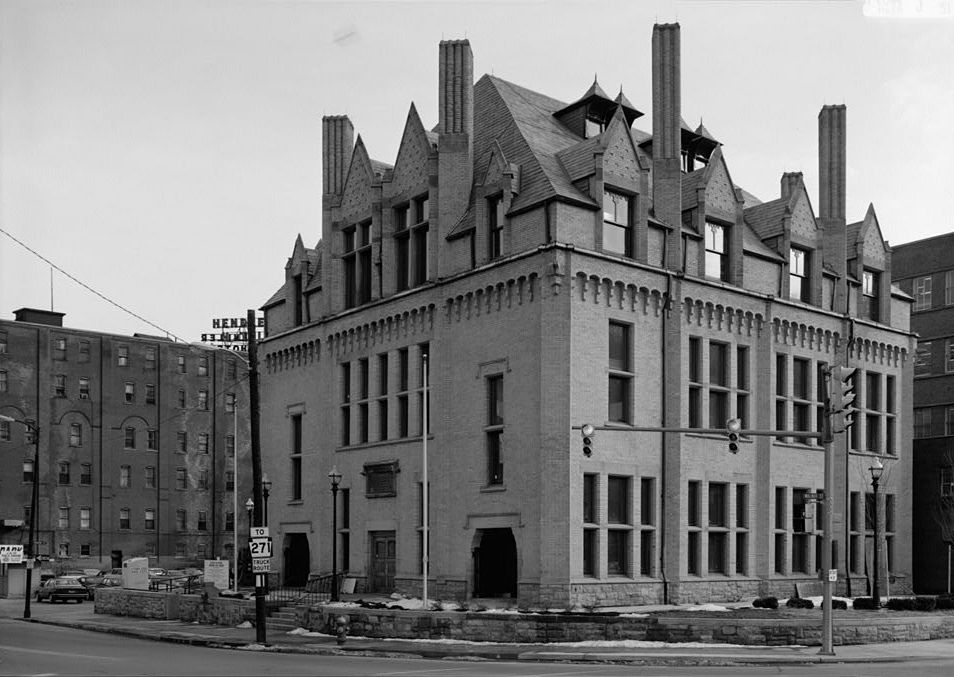
Andrew Carnegie Library
Andrew Carnegie was one of the richest members of the South Fork Fishing and Hunting Club although it is thought that he spent very little time there. Carnegie was also well known as a kind and generous man.
Shortly after the flood he visited Johnstown and donated $10,000 toward building a library there. More money was later needed to finish building the library and Carnegie donated an additional $45,000 toward its completion.
A Flood for the History Books
The Johnstown Flood was an historical event that people still talk about today. Stories and pictures of the flood have been preserved and handed down to new generations. There are still different theories of just who or what was responsible for such a horrific event that caused so much damage and took so many lives, many of them children. Johnstown has an interesting museum dedicated to the flood where the history of the Johnstown Flood is kept alive. The museum features a short film about the flood. After the flood, there were very tiny homes brought into Johnstown, much like FEMA trailers today, for families who had lost their homes. One of these tiny homes is also part of the museum.
The South Fork Hunting and Fishing Club and some of its members were sued in court but were never held responsible. Today life goes on in Johnstown, PA, and the town has been rebuilt but the memories and stories live on.
Copyright L.M. Hosler 2019

 History Lovers Corner