Writers are important but so are readers. Readers and writers need each other. Writers provide their audiences with news, valuable information as well as entertainment.
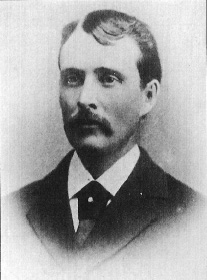
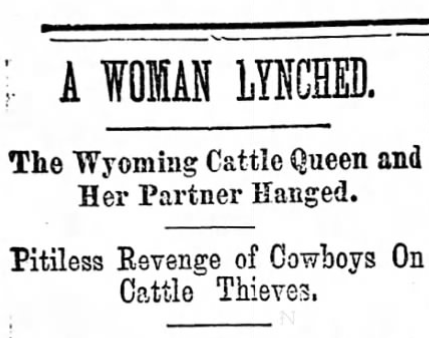
The story of Ella Watson is a two-sided story. Ella Watson was a woman who owned a small ranch in Wyoming. She became known as a cattle rustler, outlaw know as Cattle Kate. There is the story the newspaper printed. This account was printed immediately after Ella and her boyfriend or partner were lynched. But then there is the story that was told after more facts were discovered. Ella Watson has been portrayed as an evil villain, but that is probably not the real story.
Ella married her first husband when she was only eighteen years old. She left him when he proved to be an abusive husband. She moved to Rawlings, Wyoming, where she first worked in a hotel. She also did something that was unheard of in Wyoming in those early days. Wyoming was not yet a state but a territory. Ella, a woman, filed a homestead claim for one hundred and sixty acres of good grazing land. After filing for the land she started raising cattle. The men in the territory did not take a woman rancher well.
Ella also met Averell Verill, who was many things in the small town near the Sweetwater River. He was the postmaster and land surveyor, ran a small general store, and was the justice of the peace. Ella helped him in his store, and he probably helped her with her homesteading claim. Averell also purchased land or filed a homestead claim. Between the two of them, they had a rather nice but small ranch.
Lawless Wyoming
This was a time when there was almost no law in Wyoming. Cattle barons owned large ranches, and the cattle business was booming. The cattle were allowed to roam and sometimes wandered from the herds. Sometimes, unbranded calves and cattle were hard to prove just who owned the cattle. At first, this wasn’t a big problem because the cattle barons were still making high profits. However, there were several seasons when drought hit the area and the market for beef bottomed out. The grazing land became overused from so many herds of cattle, and water became an issue.
Jim Averill Ella’s Partner
Ella and Averell owned property with a fairly good water supply. However, they had fenced-off sections of their property. From Western stories and movies, we have heard about cattle ranchers and deadly fighting over water rights. I would guess that this is what started the dispute between Ella Watson and the rich cattle barons.
On July 20, 1988, a group of landowners, who were probably drunk, went to Ella’s cabin and forced her into a buggy. After they had Ella, they went after Averell. Ella and Averell were then hung from a cottonwood tree. It was then that the stories began. Stories that Ella had been rustling cattle and that Averell had been running a house of prostitution in town. There really was no evidence of any of these claims. But this is what the newspapers printed, and these stories spread across the United States. These stories made Ella out to be a villain and female outlaw of the West. The men who did the lynching were never tried or brought to justice.
Knowing I will be doing something new the next day can fill me with energy. Sometimes just thinking of ideas for writing can excite me. Those new ideas often give me too much energy that keeps me awake at night. Where do those ideas for writing go when I wake up the next day? Do others have this problem? Or is it just me?
I have several hobbies. When I start a new project or am about to start one, it fills me with energy. I can get up in the morning feeling like the energizer bunny. Learning new things always excites and energizes me. Lately, writing has taken hold of me and I get excited and energized every morning. Until about noon time.
Weather can certainly affect my energizer levels. If its a bright sunny day I am full of energy. But if its a very hot day, all energy seems to desert me. Rainy days are depressing and makes nap time a necessity. Sunny but cool days with a breeze are the absolute best. On those days I even am capable of finding the energy to clean the house. Fall and spring weather are the best times for getting things done.
Travel Excites Me
I don’t often get the opportunity to travel to new places. When I do get an opportunity I am full of energy. I really enjoy seeing new places and doing different things. This summer I went out fishing at the beach for the first time and that was both exciting and interesting. I hope to do more traveling in the future.
Health
Taking care of my health helps to sustain energy levels. Eating good healthy food, drinking lots of water, getting enough sleep and exercise all contribute to energy levels. I try to do all of those things. Going out for walks or to the gym helps to increase my energy. Getting enough of good restful sleep is a problem at times. Eating fruits, vegetables and drinking healthy juices all help to sustain a healthy diet and energy. I did try one of those expensive, supposed to be healthy drinks recently. It was so terrible it went in the garbage. So I won’t be drinking any of those HEALTHY drinks in the future. The picture below is akin to the sign where I bought that awful healthy drink. But its not where I bought it and it cost a lot more.
Everyone has different ways of increasing their energy. But it’s a proven fact that living healthy boosts energy. Eating a healthy diet helps as well. Getting enough sleep and exercising are also beneficial. And for your health, give up those nasty cigarettes.
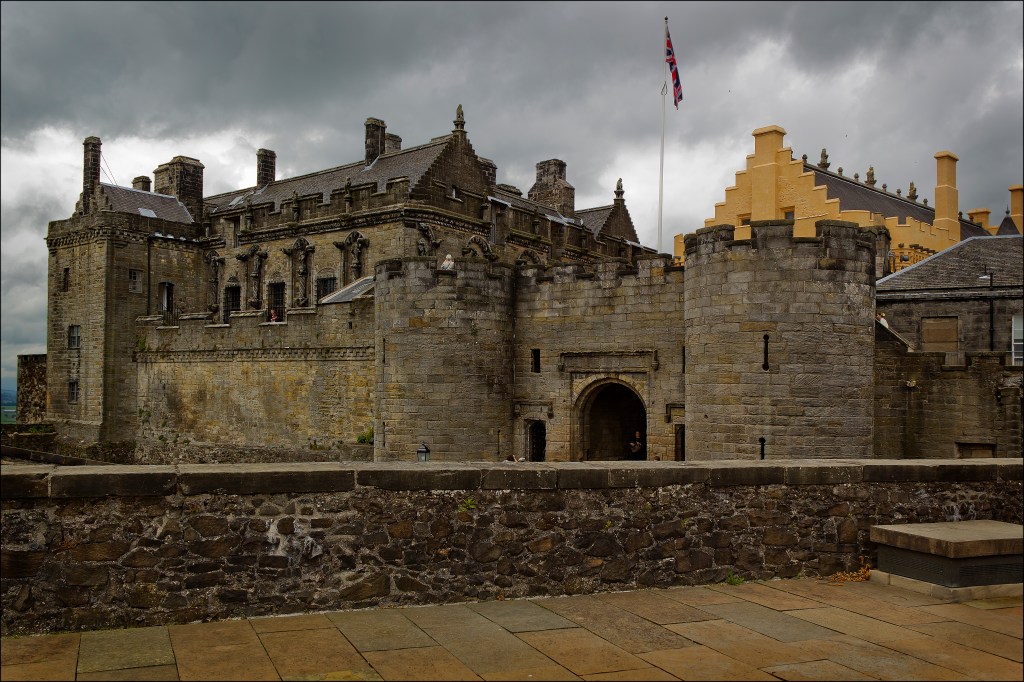
I love English, Ireland and Scottish history. There’s so many great stories in that history. History of battles and countries at war. There’s stories of kings, queens and princesses. Some of those stories are sad and heartbreaking, others are inspiring. I particularly liked the stories of Margaret, and her granddaughter Mary Queen of Scots. Both of them had tragic endings. But one thing the royalty of those countries all had was beautiful castles.
I would love to spend a week traveling through any of them. But, I think Scotland would be my first choice to visit. Perhaps, because I know someone who did visit Scotland and I was impressed with their photos they shared.
My ideal week would be spent in Scotland at a luxury hotel. I would choose The Balmoral Hotel in Edinburgh, the capital of Scotland. I would then plan to visit the Royal Residence of Balmoral which the British Royals own. The Balmoral royal estate was bought by Queen Victoria and Prince Albert in 1852. The public can now tour the royal castle.
The rest of my week I would spend touring other old castles with rich histories. I would enjoy spending some time outdoors at a seashore in Scotland. There are marvelous castles and museums to visit in Scotland.
Some of the museums I would enjoy visiting during my week in Scotland include the following.
So this is my idea of an ideal week spent soaking up Scottish history in Edinburgh, Scotland. Visiting old castles and enjoying good Scottish food and beautiful green hills and gardens. Too bad it can only be for one week.
In 2004 I had the opportunity to move to Florida. Friends invited me to come stay with them and stay as long as I wanted to. At that time I was in a relationship I no longer wanted to be in. I had a job that I was not happy with. I was working as a waitress in a local restaurant. I realized that working in the public gave the other person many opportunities. He could and did harass and embarrass me every day at my place of employment. I chose not to face that humiliation. I packed a few of my belongings and moved about twelve hundred miles away to Florida. A friend from Florida flew up to meet me and together we drove to Florida.
I loved Florida. I have heard people complain about the humidity in Florida but that was no problem for me. I enjoyed the smell of the Gulf of Mexico, the beautiful white sand and the sea breeze every morning. I was near a beach, so we usually had a, nice breeze in the mornings and evenings. There were a lot of new southern foods to sample and I learned to make Jambalaya. I loved that I was able to go the beach when I wanted to. We also traveled to neighboring states Mississippi and Alabama. It was all new and exciting for me.
Nevertheless, I had trouble finding a job in Florida. I didn’t know very many people so I didn’t have connections. I couldn’t even find work at a Wal-Mart store and there were several in the immediate area. I finally ended up working as a waitress again. Then eventually I found an office type job. But I wasn’t making enough money to support myself. So I lived with a roommate. I just happened to get into a relationship with him.
My family was twelve hundred miles away so after six years I returned home to be with them. The person I was living with had a very dysfunctional family. I decided I didn’t want to be part of the craziness I was witnessing. That family would make a good book which I may write someday. I do stay friends with all of them but at a distance for my own sanity.
So Florida is as far as I have traveled from my home state of Pennsylvania. I loved Florida and I did go back to visit a few years ago. But I plan on staying near my family in the future other than short trips.
Daily writing prompt
Share a story about the furthest you’ve ever traveled from home.
Harrisburg, Pennsylvanian is a good place to take children for fun and a great learning experience. It offers entertainment and educational opportunities.
In 1897, the capital building in Harrisburg, Pennsylvania burnt. This left the Pennsylvania government with no building for the government to conduct the business of government.
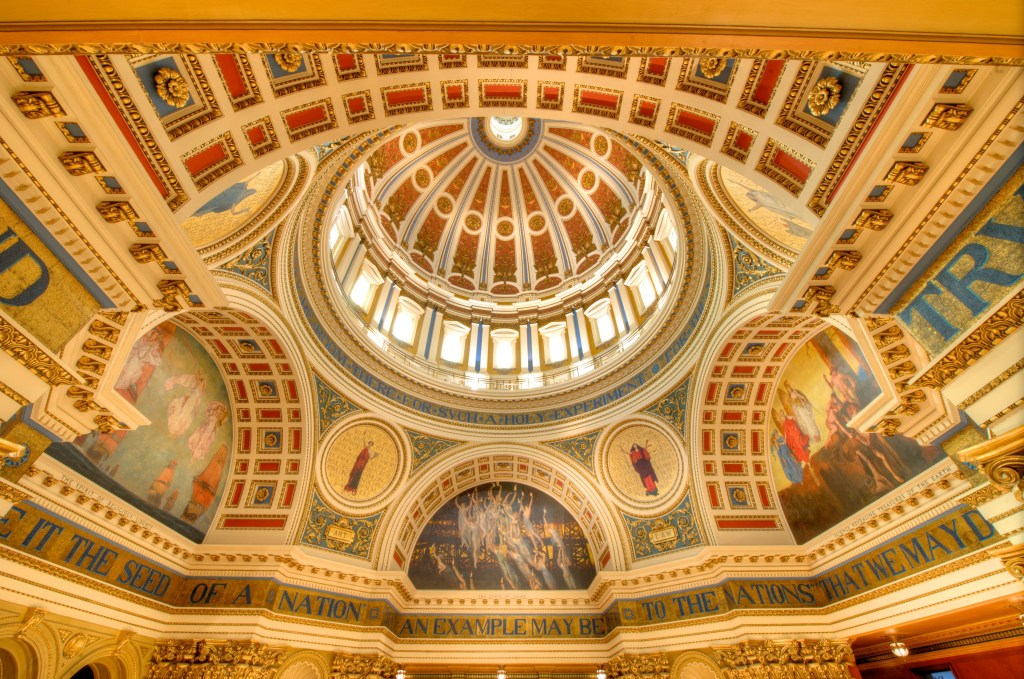
The new capital building which was built between 1902 and 1906 is one of the most admired in the USA. It is a beautiful work of Architectural and artistic while also full of history. The building is full of art, beautiful paintings, murals, sculptures and history. The new capital building was designed by a young and upcoming architect, Joseph Huston. it is designed in American Renaissance style. Huston’s vision was to build a building that was a palace full of art and he accomplished that. There was a lot of competition for the rights to build the capital building. Joseph Huston won the contract and completed the building. After the completion of the capital building Huston was accused of taking bribes and conspiracy to defraud the Pennsylvania government. He was convicted and spent six months in prison. The building reflects many different types of styles throughout the building. Italian, Greek, Roman and French are all part of the buildings charm and beauty.
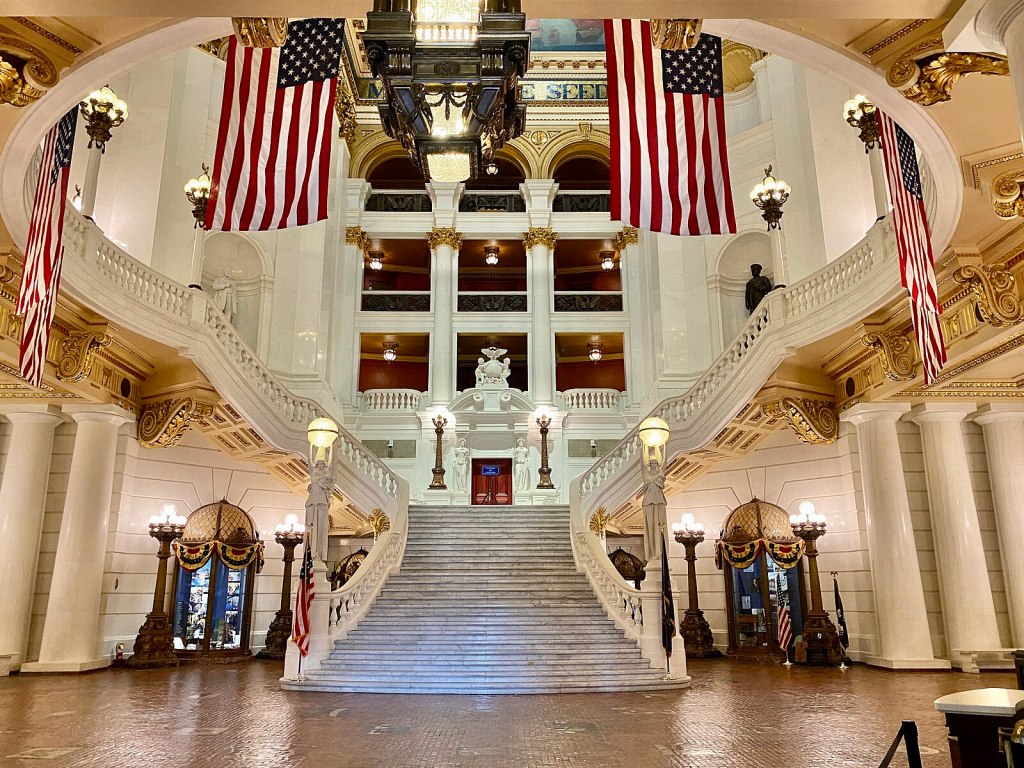
As you first enter the capital building, the first thing you will notice is the marvelous centerpiece staircase. It is often the source of group photos. Schools plan class trips to tour the building and have their class photos taken on these steps. Above the staircase is a 52 million pound dome. At the top of the staircase, it turns to both the left and the right.
The Rotunda Of The Pennsylvania Capital building in Harrisburg showcases a beautiful staircase.
The 52 Million Pound Dome Over TheRotunda
The Welcome Center in the Capital Building
The welcome center in the capital building is fun for the adults and children. There are interesting and educational trivia games to play. There is also a gift shop and places to grab a quick bite to eat near the Welcome Center. Children and adults can learn how laws are passed.
Children and adults can take free tours through the capital. The tours are popular and fill up quickly. It is best to call in advance and schedule a tour. Afterwards, they can find the Welcome Center of the building. Here, there’s trivia games and different learning experiences for everyone.
These are only a few of the highlights of visiting the Capital Building of Pennsylvania. Guided tours are offered by guides familiar with the history of the building.
The Pennsylvania Museum The Pennsylvania Museum is located near the capital building, within easy walking distance for most people. It is located at 300 North Street, Harrisburg. The museum has three floors full of interesting exhibits that families can enjoy.
The ground floor is where you enter, pay for your tickets and you are given a map of the museum. You can then choose which floors and exhibits you want to visit.
Ticket prices
Adults $7
Senior Citizens $6
Children $5
The first floor in the museum exhibits artifacts exhibits featuring old dishes, some broken or cracked. It also displays items that some of us senior citizens still remember from our childhood. There are also a lot of exhibits and a video which emphasizes the civil rights movement throughout Pennsylvania’s history. The exhibits on the first floor are sometimes changed to add new exhibits.
Second Floor
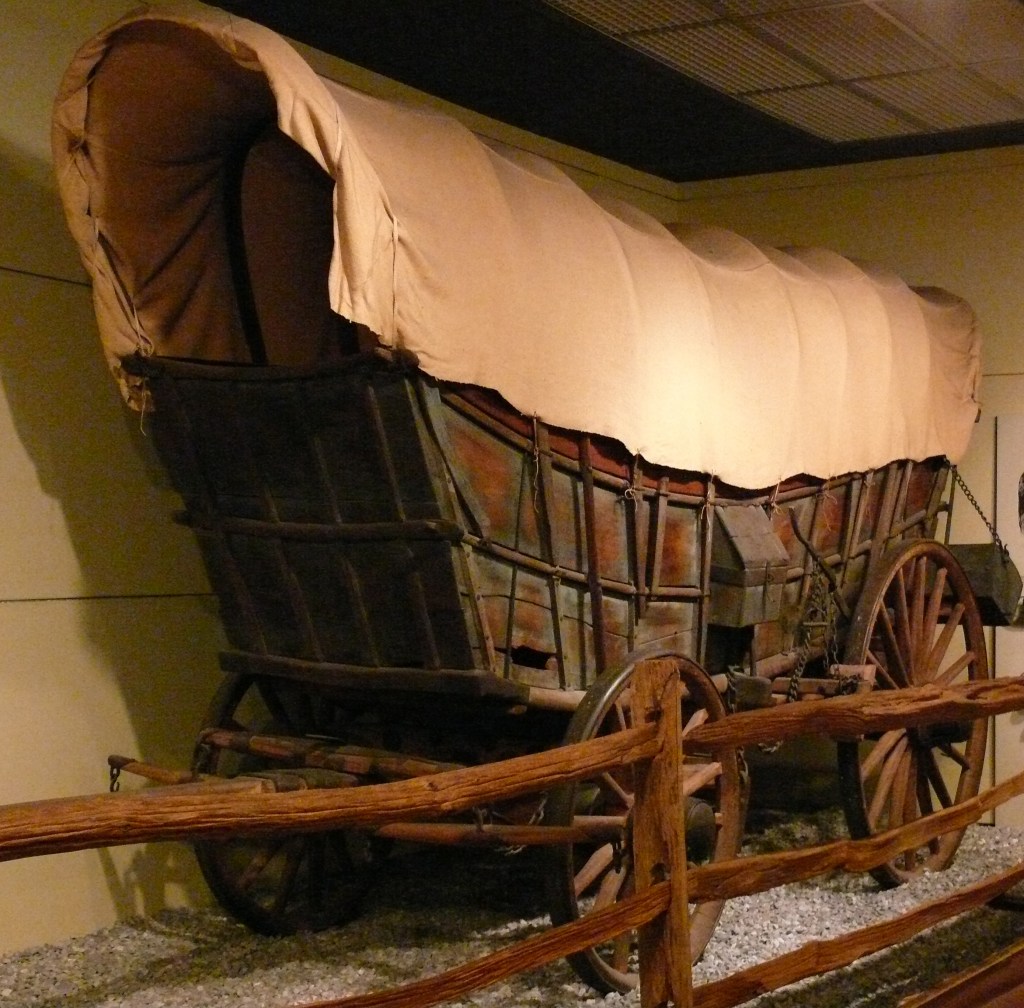
The second floor of the museum is my personal favorite. This floor has Native American exhibits, civil war exhibits, and industry and transportation exhibits. The Native American longhouses were pretty neat. Here there are old covered wagons, old stagecoaches and a turnpike display. The turnpike display shows an old car paying its toll at the tollbooth. On this floor there’s also one of the first tiny campers for campers.
An old covered wagon from early American exhibited at the State Museum of Pennsylvania
While the third floor wasn’t my favorite there’s a lot of interesting exhibits. Those who are interested in nature, ecology, animals, birds will enjoy these exhibits. There’s also a planetarium on this floor.
Make the Most of Your Trip
Both the capital building and the State Museum of Pennsylvania can take several hours to explore thoroughly. You may want to visit everything so be sure to plan ahead. Schedule your tour of the capital in advance and plan to spend a few hours at the museum. Make a plan that includes lunch whether it’s in the capital building or a restaurant nearby. Then enjoy a day of fun and education with your family.
Philadelphia is certainly one great city full of America’s exciting history and historic buildings. Nevertheless, we can add some other interesting places in Pennsylvania. These are marvelous places for families to visit. Gettysburg is a historic battlefield and full of history about the Civil War. Lancaster is a charming city where many Amish live and many great places to explore.
Gettysburg, Pa
Gettysburg has been called the turning point of the Civil War. The south had been winning the war up to the point of Gettysburg. It was at Gettysburg that the Union Army stopped the southern army’s march to the north. It was at Gettysburg that President Lincoln gave his famous Gettysburg Address Speech. Gettysburg is dedicated to all the great men who died there.
Gettysburg National Military Park
Your first stop at Gettysburg might be at the Museum and visitor center where there are plenty of parking spots. Inside the 2200 square foot museum there are cold drinks, snacks and bathrooms. The museum offers exhibits, a gift shop and a ranger to answer questions. There plenty of historic exhibits from the Civil War including guns, uniforms and even a large cannon.
Tour The Battle Field
There are various ways of touring the Gettysburg Battlefield and learning about Gettysburg and the famous battlefield.
By Car. Using your car, you are free to go at your own pace. You can view what you are most interested in seeing.
Guided car tour: An experienced tour guide accompanies you. They are there to answer questions. They know the best places to show you. These tours have varying fees.
On horseback: Tour the battlefield on horseback like the soldiers who fought at Gettysburg. Horse rental fees are generally charged.
Walking the trails if you are a hiker.
Car and Walking: This is a great option as the park has 6000 acres. Driving on your own allows you to stop and view whatever you what to see.
Significant Spots To Visit At Gettysburg
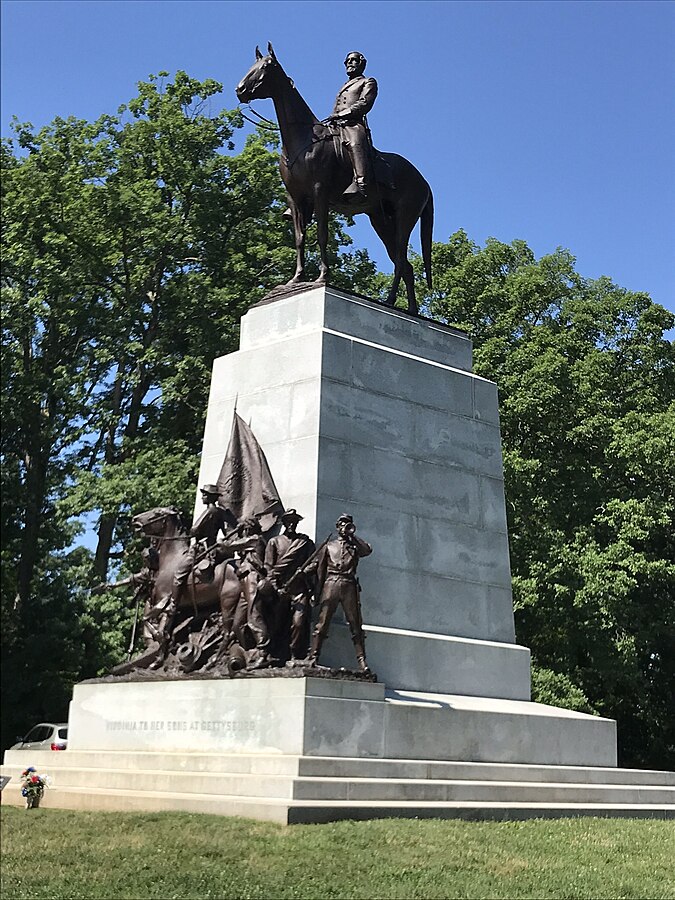
Confederate General E Lee Memorial at Gettysburg Battlefield
Little Round Top was a significant area where fierce fighting took place with Union soldiers eventually winning the hill.
Cemetery Ridge which was the headquarters for General Meade and the Union soldiers made camp.
Big Round Top which is the highest point of the Gettysburg Battlefield. There are five monuments at the top of the ridge.
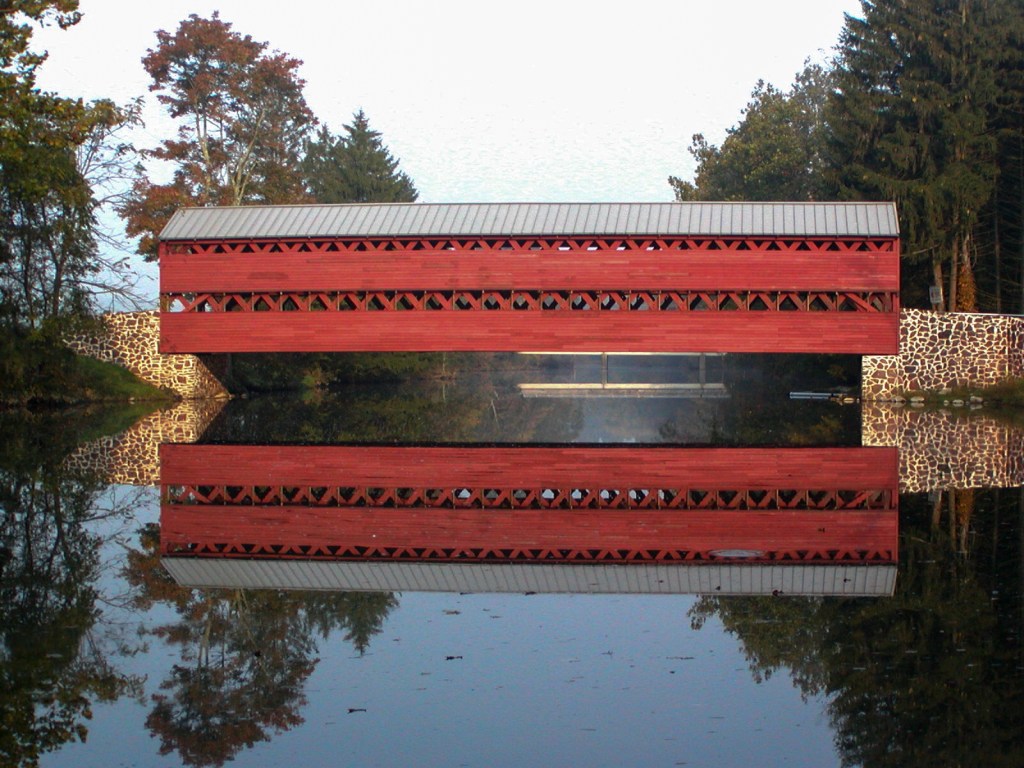
Sachs covered bridge which some say is haunted by confederate soldiers who were hung from the bridge.
There are multiple museums throughout Gettysburg that are worth checking out.
Jennie Wade house. Jennie Wade, a civilian was killed by a confederate bullet while she was making bread to feed the Union Army.
Little Round Top Gettysburg Battlefield Sachs Covered Bridge Gettysburg Pa
Lancaster, Pa
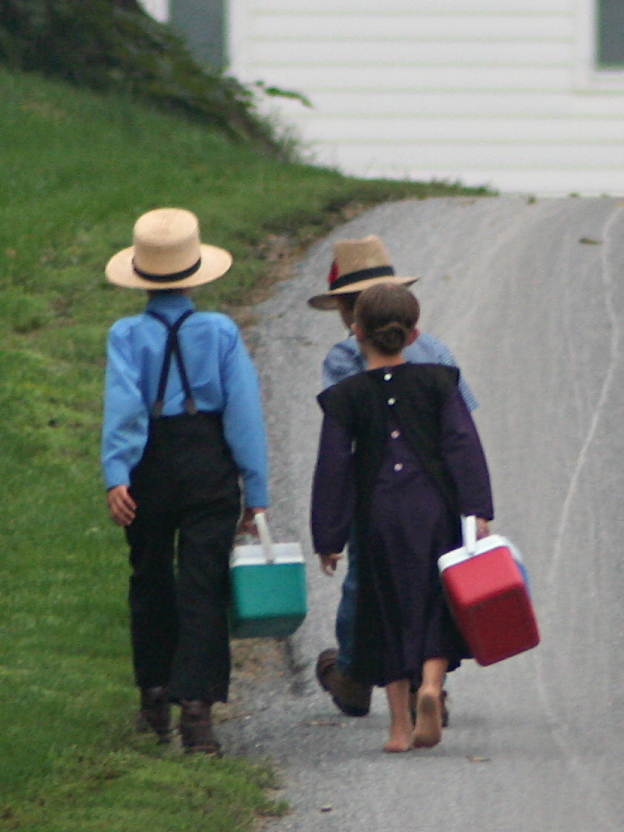
Amish children on the way to school
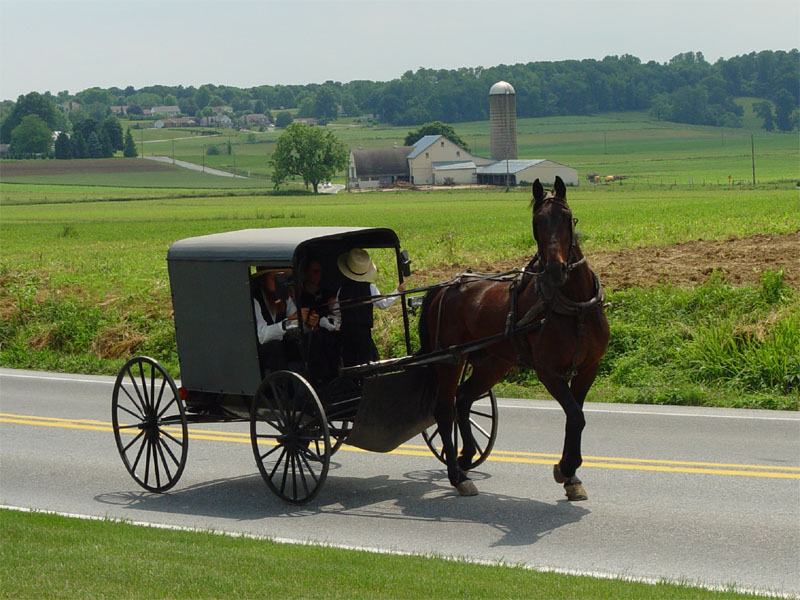
Lancaster is famous for it Amish population. It’s the largest Amish community in America. The Amish are famous for still living without electricity, cars, and modern technology. Most Amish still dress in traditional clothing and use horse and buggies. They are well known for their country cooking, quilting, religion and furniture building. Let’s check out some interesting things you can find in Amish country.
Amish farms which can offer tours and buggy rides.
Kitchen Kettle is an outdoor type of market but with about forty indoor shops. These include shops that sell canned goods, jams & relishes, and leather goods. There is a yarn shop that also offers free classes and workshops. You can also find sweet shops and cheese shops. There’s also a restaurant and homemade ice cream. I was here once and would love to go back.
Green Dragon Flea Market is 60 acres of a local farm market and flea market combination. It has indoor and outdoor shopping. It boasts seven large buildings with some one hundred vendors showing their crafts and wares.
Amish quilt shops: There are many quilting shops throughout Lancaster. No trip to Lancaster would be complete without shopping for a quilt. Make sure you have plenty of money or a credit card. These beautiful handmade quilts can be quite expensive.
Amish restaurants are the place you will want to eat at in Lancaster. The Amish are famous for their home cooking. Two well know restaurants are “Bird in Hand Restaurant and Smorgasbord” and “Shady Maple Smorgasbord.
An Amish family traveling by horse and buggy
Entertainment in Lancaster Pa
Sight and Sound Theater: This theater is for young and old. It does plays based on Bible stories using live animals. I have seen Joseph, David, and Samson at this theater and enjoyed every one of them. Currently the story of Noah is playing.
Dutch Apple Dinner Theater offers a great dinner and a musical. It also has a children’s theater for the little ones.
Dutch Wonderland is a smaller version of Disney Land. It features over thirty rides and a show. Duke’s Lagoon is a small water pad to keep the kids cool on a hot summer afternoon. There’s also fifteen acres of campgrounds for family camping.
These are two cities in Pennsylvania which offer a lot to families. They offer history lessons for the children as well as a fun time. Warm weather and summer vacations are just around the corner. You might want to consider visiting the great state of Pennsylvania and having the time of your life.
January 15, 1915, started off as a warmer than usual day. People were out on Commercial Street, Boston. They were moving about and enjoying the slightly warm January day. Children were playing outside on the streets and workers were stepping away from their jobs for a brief lunch break.
They did not realize the danger they would soon be facing. Tons of molasses would pour through the streets of Boston around noon. None of them knew that in just a few minutes some of them would be dead. Others would struggle to survive in a city covered in waist-high molasses. It would change quickly from being just an ordinary day to become the most deadly horrifying day in Boston’s history.
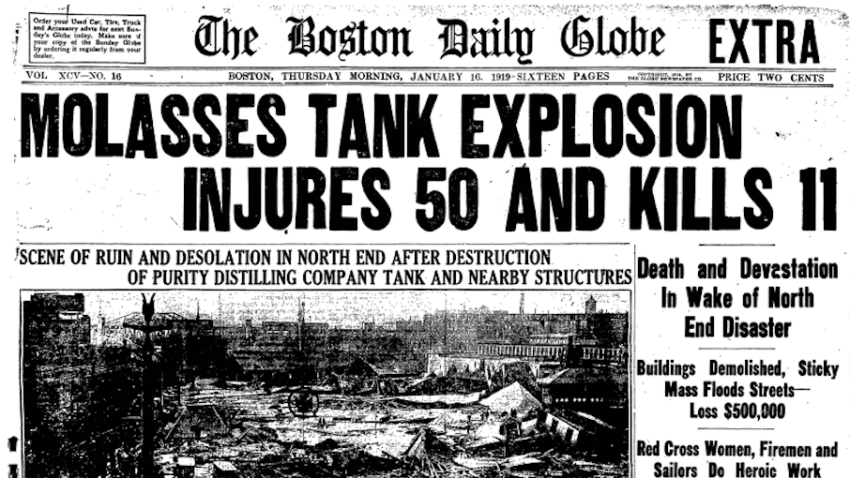
This is the news headline the day after the flood. 11 are announced dead in the headline, but 10 more bodies would be found later.
First World War Ends, Prohibition Set to Begin
Molasses became an important ingredient in creating ethanol during the First World War. This ethanol was used to create ammunition and explosives. The war ended. The American Congress then sought to make any form of liquor or alcohol illegal. They did this with an act of Congress called Prohibition.
Purity Distilling, therefore, was holding tons of molasses in a large storage tank in Boston. The company sought to make as much liquor as possible before Prohibition took effect. Shifts at Purity Distilling operated around the clock. They produced as much high-grade rum as possible.
Giant Tank Holding Millions of Gallons of Molasses
The molasses storage tank had been built a short time earlier just as the First World War was ending. It was a huge tank measuring fifteen feet high and one hundred sixty feet wide. When filled to the limit it held 2.3 million gallons of molasses.
The tank had been built near the harbor. Ships could dock there to unload the molasses. Railroads were close by to ship the molasses to where it would be made into alcohol. On Jan 15, 1915, it was filled almost to its limit. It was straining to hold the massive amount of molasses.
Tank Explodes, Molasses Flows
Close to noon people began to hear louder than usual noises coming from the tank. Survivors would later report that they heard loud rumbling noises. These were followed by loud pops which sounded like machine guns being fired. The metal steel rivets caused these noises. They held the sides of the tank together and popped out in rapid succession. Molasses began flowing from the tank at 25 to 35 miles an hour. Anyone in its path had no chance to escape.
Chaos and Destruction and Death Follows
The flood of molasses swept through the streets with such force. It literally slammed buildings off their foundations. It knocked over horses, cars, wagons, people, and anything else that got in its way. Horses and people were caught in the sticky goo. The molasses quickly hardened once it was out in the cooler air. This made it impossible for anyone trapped in it to move.
The molasses (which was a high wave) at that time knocked people and children to the ground where some suffocated to death. Twenty-one people died in the molasses while another one hundred and fifty were Injured. Property damages were enormous and if this had happened in modern times the price tag would be near $100,000,000.
Rescuers, including the police, local volunteers, and the Red Cross, all responded quickly to the disaster. They found it hard to walk through the molasses, which was up to their waists in some places. The molasses would cling to their boots and clothing making it hard to walk as they searched for survivors.
What Caused the Tank to Explode
No permit was required to build the tank.
It was poorly designed.
Poor construction and materials.
Leaks were not repaired, and molasses dripped.
The tank was painted brown to hide the leaks and drips.
Molasses would ferment causing pressure to the inside of the tank. This would be like putting too much air or gas in a balloon, which would cause the balloon to pop.
It was built very cheaply and quickly built with no safety inspections.
Was never properly tested by using water to find and repair leaks.
Lawsuits Become the First Class-Action Lawsuits
Victims of the molasses flood and the families who were victims of the flood soon filed lawsuits against Purity Distilling. These lawsuits soon combined to make one massive lawsuit, becoming the first-class action lawsuit for the state of Massachusetts. Finally, in 1926 the victims were awarded $300,000. This resulted in new laws enforcing higher regulations and inspections for new construction.
The tank that held those deadly gallons of molasses would never be rebuilt. Today, a recreational complex has been built in its place. More than a hundred years have passed since the molasses flood. People who live near the site still claim that the smell of molasses lingers on really hot days.
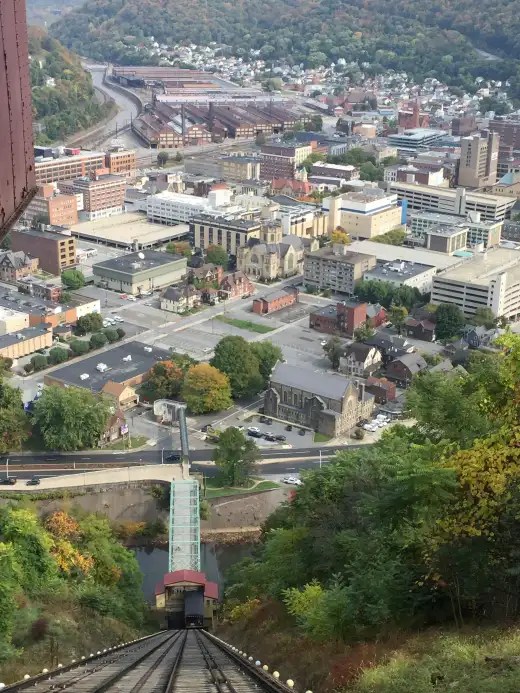
Johnstown, PA, is a small town in Cambria County in the southwestern area of the state. Pittsburgh is about seventy miles to the east of Johnstown, which lies in a small valley of the Laurel Mountains. Pittsburgh and nearby Johnstown were once booming steel towns.
A Day Starts Like Any Other DayIn Johnstown, Pa
On May 31, 1889, heavy rains had been falling, and as the people of Johnstown rose and went about their daily lives, they had no idea that by that afternoon, their small town would be hit with twenty million tons of water, which reached nearly thirty-seven feet high.
As many as twenty-two thousand would lose their lives and properties. The flood that was about to hit them would devastate their small town and their families and leave behind millions of dollars of damage.
A Dam Built for Canals
It all started in 1852, when the state of Pennsylvania built a huge water reservoir about eight miles east of Johnstown. The dam was built in connection with the Pennsylvania canal system, but within a few years, railroads became the more modern way of shipping, and the canal system became obsolete. In 1863, the canal which had connected Johnstown and Blairsville was shut down, eliminating any further use of the water reservoir.
The dam sat there with very little maintenance, and one portion began to erode in 1862, just ten years after the dam had been built. What repairs were done were done using inferior materials to fix holes and leaks. The workmanship was also done in a sloppy manner.
Rich Business Men Buy The Dam
The dam was first sold to the Pennsylvania Railroad as trains at that time ran on steam, so this was a good place for a water stop. In 1875, a one-term Pennsylvania congressman named John Reilly bought the dam and surrounding areas for $2500.
In 1879, Reilly resold the dam to a real estate salesman named Benjamin Ruff, who intended to turn the reservoir into a lake and a resort for the wealthy. He became the first president of an exclusive club known as the South Fork Fishing and Hunting Club. This club’s members would include wealthy doctors, dentists, lawyers and rich businessmen such as Andrew Carnegie and Henry Frick.
After a busy week in nearby Pittsburg, these gentlemen and their families could take the train and enjoy a weekend of relaxing at a private resort area. Some cottages and cabins were built, as well as a gentlemen’s clubhouse.
Lack of Oversight and Management
When Benjamin Ruff and the South Fork Fishing and Hunting Club took over the dam, they did attempt to do much-needed repairs on the dam. However, the repairs needed were probably much more extensive than Mr. Ruff and the South Fork Fishing and Hunting Club had anticipated, and I would guess that some of those repairs were put on hold.
The club also installed fish screens which, due to the heavy rains, ended up catching debris and forcing the water over the top of the dam. So basically, the heavy rains on May 31, 1889, combined with the lack of proper repairs and maintenance, were the culprits of the Johnstown Flood in 1889.
The Monster Flood Roars Toward Johnstown, PA
The heavy rains on May 31, 1899, put too much strain on the dam, and that afternoon workers at the dam saw that it was not going to hold the water back. Telegrams were sent to the small communities and to Johnstown. Most people paid little attention to the flood warnings, while others did move their belongings to second stories. None had any idea of the monster that was about to hit their small town and take their homes and lives.
At sometime around three o’clock in the afternoon, the dam gave way and the water came roaring furiously down into Johnstown. It was a roaring wall of water that took everything in its path. Houses, animals, cars, railroad cars and humans, the water showed no mercy. Thousands were trapped with no way out. Some were swept away, while others were caught in the tangled mess of houses, trees, and debris that backed up at the Stone Bridge.
For some reason, this debris at the bridge ignited and killed the people who had been clinging to wood boards or whatever they could manage to hang on to.
Relief Efforts
Just like today, when disasters of this nature strikes, Americans rally for each other and the flood of 1889 was no exception. Donations, volunteers and help came pouring in from all over the United States. Donations came from major cities in the United States such as Boston, Cincinnati and donations came from overseas as well. Money came from other countries such as London, Ireland and from Australia and there were numerous donations from many other places. Various businesses donated materials to help rebuild homes and shelters for those who had lost their homes.
Clara Barton arrived within days of the flood, and along with her American Red Cross organization set up headquarters in one of the few buildings that had survived the flood. Here the Red Cross sat up regular food areas to feed the homeless. Clothing areas were set up to distribute needed shoes, clothing, blankets and personal care items. This was one of the first biggest disasters to hit in America with such force that it proved to be training for disasters that would occur in the future. Lessons learned during the Johnstown flood of 1889, have carried over to modern day disasters.
Clara Barton set up headquarters in Johnstown, PA, after the historic flood of 1889.
Andrew Carnegie Library
Andrew Carnegie was one of the richest members of the South Fork Fishing and Hunting Club although it is thought that he spent very little time there. Carnegie was also well known as a kind and generous man.
Shortly after the flood he visited Johnstown and donated $10,000 toward building a library there. More money was later needed to finish building the library and Carnegie donated an additional $45,000 toward its completion.
The Cambria Public Library built in Johnstown with donations from Andrew Carnegie
A Flood for the History Books
The Johnstown Flood was an historical event that people still talk about today. Stories and pictures of the flood have been preserved and handed down to new generations. There are still different theories of just who or what was responsible for such a horrific event that caused so much damage and took so many lives, many of them children. Johnstown has an interesting museum dedicated to the flood where the history of the Johnstown Flood is kept alive. The museum features a short film about the flood. After the flood, there were very tiny homes brought into Johnstown, much like FEMA trailers today, for families who had lost their homes. One of these tiny homes is also part of the museum.
The South Fork Hunting and Fishing Club and some of its members were sued in court but were never held responsible. Today life goes on in Johnstown, PA, and the town has been rebuilt but the memories and stories live on.
Johnstown has come back from the famous flood of 1889. This is a photo of Johnstown in November of 2020. Photo Credit L.M. Hosler
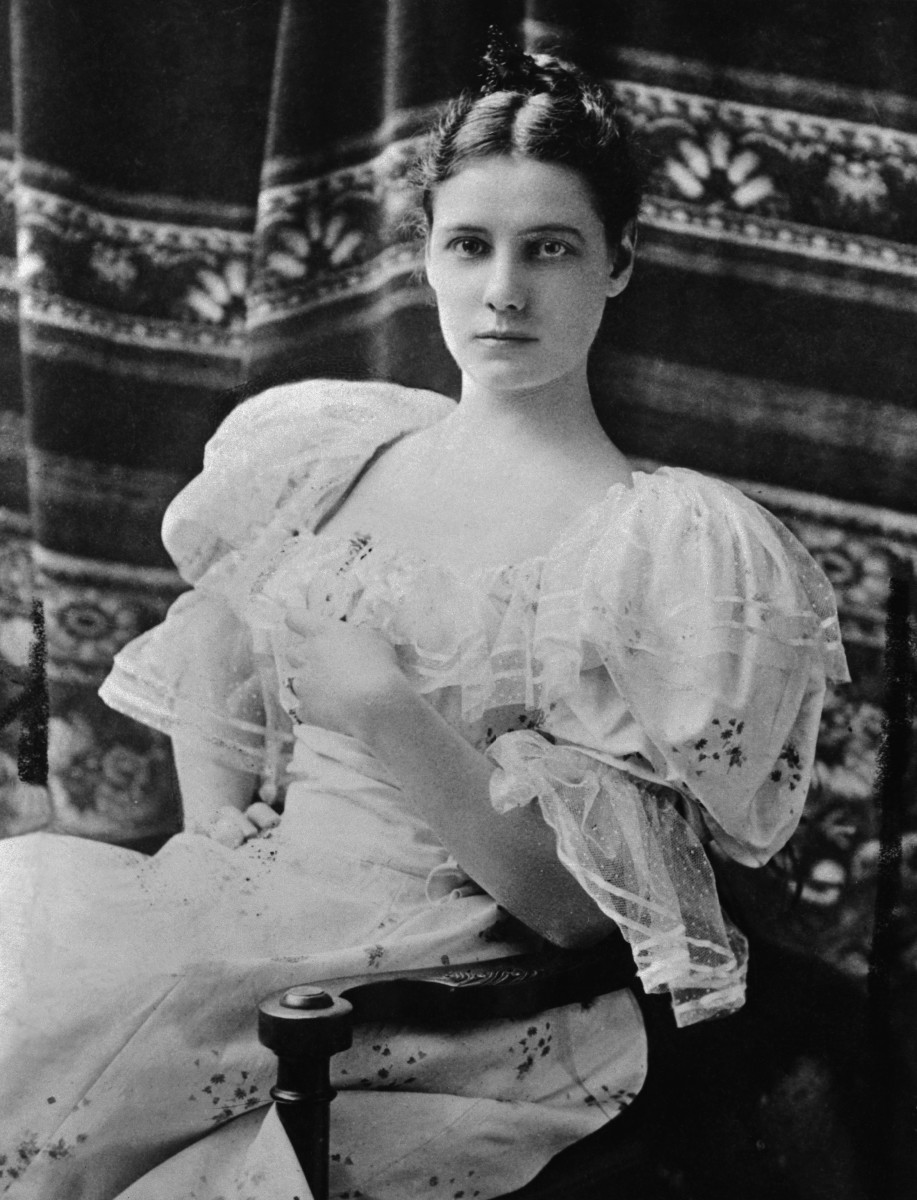
Nellie Bly was born in 1864 in Cochran Mills, Pennsylvania at a time when women were expected to stay at home, have babies, take care of their men and be happy doing that. Women had very few rights at that time, little education and they rarely had good career choices. Nellie was born into a large family of fifteen. Her father had ten children before he married Nellie’s mother, who then gave birth to another five children. Nellie was named Elizabeth Jane but was also nicknamed “Pink or Pinky”. Later when she began her career as a newspaper woman, she changed her name to Nellie Bly as her pen name. Nellie’s father died when she was six years old and the family fell into hard times. Her mother remarried but it is said that her new husband was abusive. Sometime later her mother divorced the stepfather leaving Nellie and her mother to support the family by operating a boarding house just outside of Pittsburgh.
Nellie had wanted to become a teacher and briefly attended the Indiana Normal School, now know as Indiana University of Pennsylvania. However, the family’s finances forced her to give up her teaching dream. It was at this time that Nellie left school to help her mother run the boarding house but she still had dreams of what she wanted to do with her own life.
Nellie Begins Her Career as a Reporter
Nellie began her career as a writer and reporter in 1885 at the Pittsburgh Dispatch newspaper. She had written an angry letter to the paper’s editor in response to an article that she felt disrespected young girls and women. After reading Nellie’s letter, the editor offered her a job working for the paper. Very few women were ever offered opportunities like this and Nellie quickly accepted the offer. She was generally given assignments that were considered of interest to women. Here Nellie could give a voice to issues that concerned women such as poor women who had to support themselves as well as the working conditions these women found themselves in. Of course, some of her articles didn’t sit well with the business class and this was the reason she was reassigned to writing just for the women’s page such as society news. Nellie soon grew tired of these boring assignments and wanted more of a challenge. She found her challenge by going to Mexico as a foreign correspondent for the paper where she spent several months writing about the lives and conditions she found in Mexico. After a few months however, she drew the displeasure of the Mexican dictator Porfirio Diaz when she wrote articles critical of his leadership and government. Nellie was forced to leave the country but later she published her book “Six Months in Mexico”. It seems Nellie’s honesty as a reporter was not always appreciated and tended to get her into trouble.
Nellie Exposes the Insane Asylum Blackwell Island
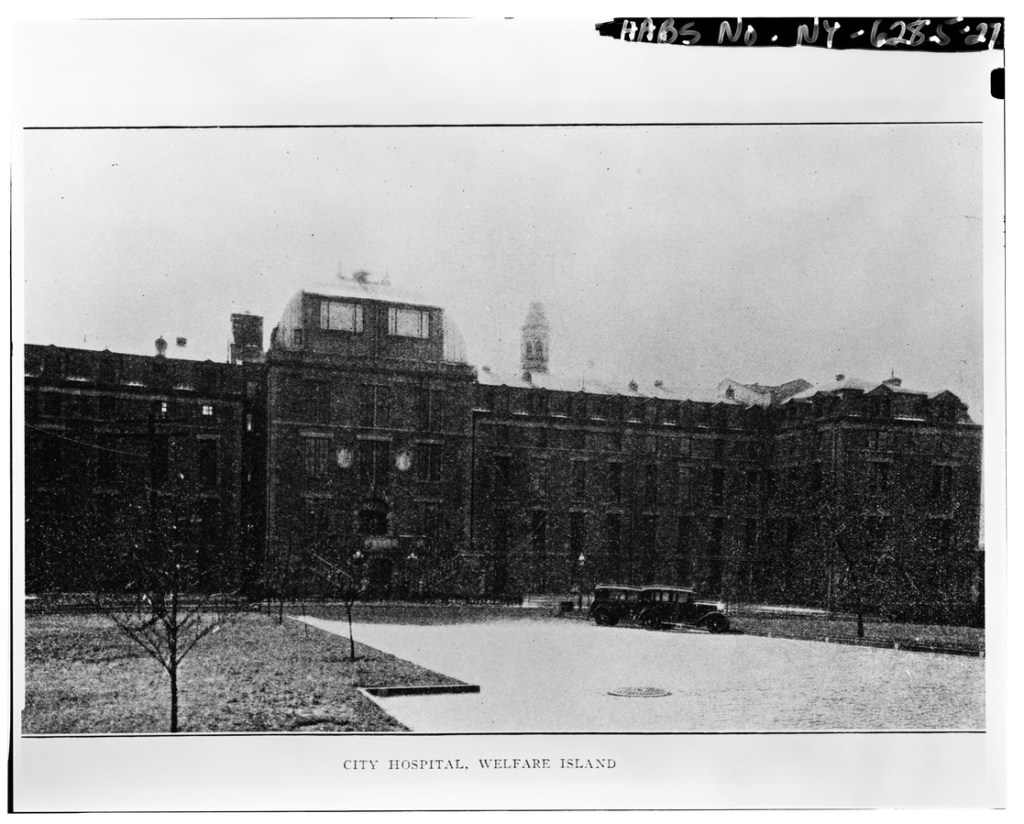
In 1887 Nellie decided it was time to move to New York where she took a job at The New York World paper as a reporter. Her first real assignment with the New York World paper was to go undercover as an insane girl to the Blackwell Island mental institute. How many of us would willing have ourselves committed to an insane asylum? Not very many of us I am sure. Here she spent ten days living locked up with insane women. She saw and experienced everything that a truly insane person would experience. As a result, she wrote a series of articles exposing the mental health facility and she was able to bring about awareness for the mentally insane and instigate an investigation into Blackwell Island. This brought about much needed reforms for mental health institutions. Her story of her time in the mad house later became the movie, “Ten Days in a Mad House”. It was an awesome movie but I believe it was rather dramatized as they tend to do with movies.
Some of the reforms that were brought about by Nellie’s daring venture into Blackwell Island institute for the mentally insane included:
Better food for the patients
Better health care
Warmer clothing and more blankets
More oversight into the doctors and nurses treatment of the patients
Warm baths instead of icy cold baths
Cleaner clothing, towels and personal care items
Blackwell Island for the Mentally Insane Asylum
The Blackwell Mental Institute for the insane where Nellie Byl spent confined for ten days
Nellie Travels the World in Seventy Two Days
Nellie also had the opportunity to travel around the world to beat the previous fictional world record of eighty days. When Nellie brought up the idea of beating the old record her editor told her it wasn’t a job for a female so Nellie challenged him to send both her and a man at the same time. Her editor gave her the assignment. She left Hoboken, New Jersey on Nov 14th, 1889 by ship, traveling to London. From London she took trains to Paris and throughout Europe. From there she traveled to Egypt then on to the Suez Canal then headed towards Middle Eastern countries. From there, she next journeyed through Asian countries and into Japan. From Japan she headed home to San Francisco, Ca. Her journey consisted mostly of travel by trains and ocean liners but there are also reports of various other means of transportation such as horses and Asia rickshaws. Nellie completed her journey in record time with a total of twenty one seven hundred and 40 miles in seventy days, six hours and eleven minutes. I am not sure Nellie was aware at the time she began her journey that the Cosmopolitan magazine was also sending another female reporter, Elizabeth Bisland, on the same mission.
During those seventy two days as Nellie traveled the world, the editor of The New York World used her trip to drive up circulation of the newspaper. Nellie would send dispatches to the paper on where she was every day. The newspaper sponsored a contest offering a prize of a trip to the person who made the most accurate guess as to how long her trip would take.
Upon her return arrival in San Francisco on Jan 25th 1890 Nellie was greeted with crowds of admirers and was given a special train to make her trip back to New York. When she arrived in New York she was honored with parades, brass bands and fireworks to celebrate her victory and safe return. She later wrote her book titled “Around the World in Seventy Two Days”.
Nellie’s Many Accomplishments
Nellie Bly was certainly a woman ahead of her time. In a time when women were looked on as nothing more than a wife, mother, housekeeper and laundress, she blazed a path of her own. In 1895 Nellie married Robert Livingston a man quite a bit older than her. After his death, Nellie wrote numerous articles covering the women’s suffrage movement. Her words and her stories were a powerful tool for women everywhere. Nellie also covered the First World War reporting from the Eastern front lines. Nellie received numerous awards for her work throughout her lifetime and she certainly left her mark on the journalist world. In 1998 Nellie Bly was indicted into the National Women’s Hall of Fame.
Nellie Bly was a leader whose work influenced women’s lives in many ways. Her early work exposed factories and influenced changes in safety. She became a role model for young women who dreamed of becoming something more than a wife and mother.
In 1828, Andrew Jackson was elected president of the United States. AS president, he had promised that if elected he would have the Indians removed. Jackson had always disliked the Indians and had been involved in several brutal attacks on the Creek and Seminole Indians. Gold had also been discovered that year in Georgia, which led to more settlers laying claim to Cherokee land. After Jackson took office he promptly began working on passing a law to remove the Indians. On May 28, 1830, he signed into law “The Indian Removal Act.”
This act resulted in two lawsuits being filed with the US Supreme Court. John Ross was the principal Cherokee chief at the time. He filed one of these suits. He claimed that the Cherokee were a sovereign nation and thus the law was illegal. The court decided in favor of the Cherokee. It declared that the Cherokee were indeed a “domestic, dependent nation.” They were under the protection of the United States government.
The second case was Cherokee Nation vs Georgia. It was decided in favor of Georgia. This happened due to the Supreme Court’s refusal to hear the case. The Supreme Court declared it did not have any authority to hear the case. This was because the Cherokee Nation was not a foreign nation. They were also not a state. This decision left the Cherokee vulnerable to President Jackson’s “Indian Removal Act.”
Politicians Broken Promises and Lies
In May 1838, General Winfield Scott was given the assignment of driving the Cherokee from their homes. He did this by burning their homes and killing families if they resisted. Those who did not resist were moved into stockades, also know as forts, which had been built in Georgia, Alabama, Tennessee and North Carolina. The stockades had little food, sanitation or even blankets and the water was unsafe for drinking. The Indians were crammed together in unhealthy and overcrowded conditions. The weather was extremely hot that summer. Diseases such as measles, dysentery and other diseases, spread rapidly and left an estimate of 2000 dead Indians in the camp. The government had promised the Cherokee money for things such as food, blankets, medicine and sanitation needs but the money never arrived for those things. Instead, as in many cases involving the government, it lined the pockets of greedy politicians and military officials.
The Trail Of Tears Begins
Some of the luckier prisoners were finally moved by boat, in June and July, while others would be forced to wait months in the camps and then would be forced by the U.S. army to travel by foot with only a few wagons to haul supplies for the trip. In October, the remaining Indians were organized in groups of 1000 to begin the journey west. Many would not live to see their new homeland. They would be forced to travel in horrible winter weather conditions, with little food or warm clothing or even shoes on their feet for the winter months. Thousands would die from starvation, disease, or would freeze to death before reaching their destination. Many of the old would simply die of exhaustion along the way. Death occurred on a daily basis and the dead were buried along the trail. Mothers would be forced to bury their children and then proceed to move westward. This forced removal from their homes and the march of the Cherokee Indians became known as the “Trail of Tears” because of the heartache and the millions of tears shed by mothers and families along the way.
Trail of tears marker honoring those who were forcibly removed from their land. Source: Creative Commons Attribution-Share Alike 4.0 International license.
Legend Of The Cherokee Rose
As the Cherokee walked the trail to their new home, there were many tears, especially from the mothers. One of the elders of the tribe sought to ease their pain and suffering by praying for a sign. Soon after that, each time a mother’s tear fell to the earth, a beautiful white rose with a gold center would grow. It was said that the white represented the mother’s tear while the gold center was the gold stolen from their lands. The seven leaves represented the seven Cherokee nations. Today, these beautiful white roses grow wild along “The Trail of Tears.”
A National Disgrace
This is perhaps one of the greatest tragedies in the history of the United States. Government tyranny, greed and power outweighed common decency and kindness. Basically, our native American citizens were forced into concentration camps, much like Hitler did to the Jewish people. For this, Presidents Andrew Jackson and President Martin Van Buren, who was elected president after Andrew Jackson and finished carrying out Jackson’s evil work, will both have to account for all the pain and suffering they were responsible for.
















 History Lovers Corner